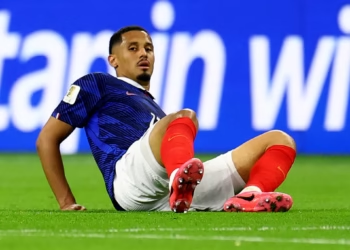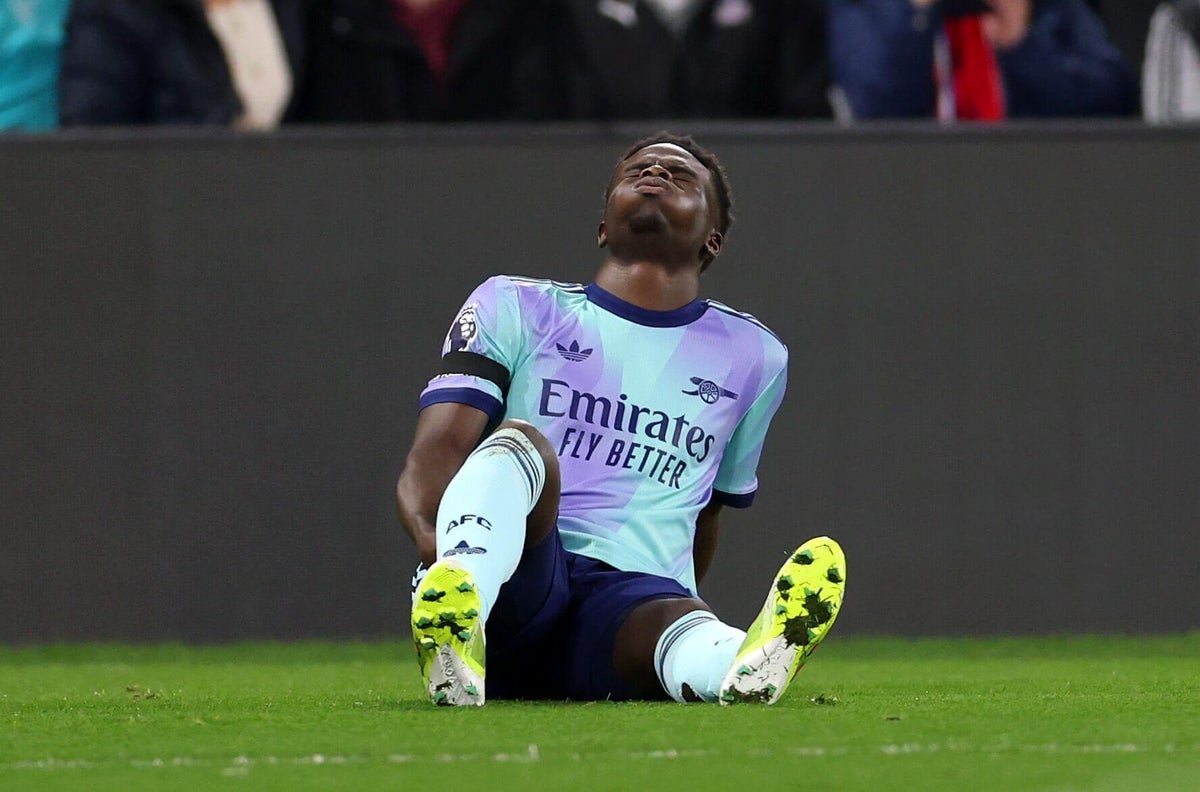

Few players are as important to Arsenal as Bukayo Saka. Whether he’s creating chances, scoring crucial goals, or inspiring teammates with his relentless work ethic, Saka has become the heartbeat of the club. That’s why every Saka Injury update attracts massive attention from football fans around the world.
Whenever a key player is sidelined, supporters naturally want answers. How serious is the injury? When will the player return? Will they be ready for the next big match? These questions have dominated discussions among Arsenal fans, especially whenever Saka has spent time away from the pitch.

In this comprehensive guide, we’ll cover everything you need to know about the Saka Injury, including his recovery process, expected return timeline, the impact on Arsenal, and why careful rehabilitation matters more than rushing back into action.
Bukayo Saka Bio
| Information | Details |
|---|---|
| Full Name | Bukayo Ayoyinka Temidayo Saka |
| Date of Birth | September 5, 2001 |
| Age | 24 (approx.) |
| Profession | Professional Footballer |
| Nationality | English |
| Net Worth (Approx.) | $25–35 Million |
| Notable Works / Achievements | Arsenal First Team Star, England International, Premier League Young Player awards, PFA Team of the Year selections |
Why the Saka Injury Matters So Much
The Saka Injury is more than just another player missing games. Arsenal’s attack often revolves around his creativity, pace, and ability to change matches in a single moment.
Over the past few seasons, Saka has consistently ranked among the team’s leaders in:
- Goals
- Assists
- Chances created
- Successful dribbles
- Minutes played
His consistency has made him one of the Premier League’s elite attackers.
When Saka is unavailable, Arsenal lose much more than goals. They lose leadership, balance, and unpredictability in attack.
What Happened?
Like many modern footballers, Saka has dealt with heavy workloads throughout the season.
Playing for both Arsenal and England means:
- Premier League matches
- Champions League fixtures
- Domestic cup competitions
- International qualifiers
- Major tournaments
This demanding schedule increases the risk of muscle fatigue and injuries.
Medical staff usually prefer caution rather than taking unnecessary risks with players who are expected to play hundreds of minutes each month.
Latest Saka Injury Recovery News Today
The latest Saka Injury recovery news has provided encouragement for Arsenal supporters.
Reports surrounding his rehabilitation suggest positive progress, with medical staff carefully monitoring every stage of his recovery. Instead of rushing him back, Arsenal appear focused on ensuring he regains full fitness before returning to competitive action.
Recovery typically follows several important stages:
Initial Assessment
Doctors first determine:
- Injury severity
- Muscle condition
- Swelling
- Stability
- Recovery timeline
Every injury is different, so timelines can change.
Rehabilitation
This phase includes:
- Controlled exercises
- Strength training
- Mobility work
- Light running
The goal is rebuilding strength without risking another setback.
Team Training
Before returning to matches, players must successfully complete:
- Ball work
- Tactical drills
- Sprint sessions
- Contact training
Only after passing these stages does a return become realistic.
Why Arsenal Won’t Rush His Return
Supporters naturally want to see Saka back immediately.
However, modern football medicine emphasizes patience.
Returning too early can lead to:
- Re-injury
- Longer recovery periods
- Reduced performance
- Increased muscle strain
Arsenal have learned valuable lessons from previous injuries involving top players.
Protecting one of the club’s biggest assets remains the priority.
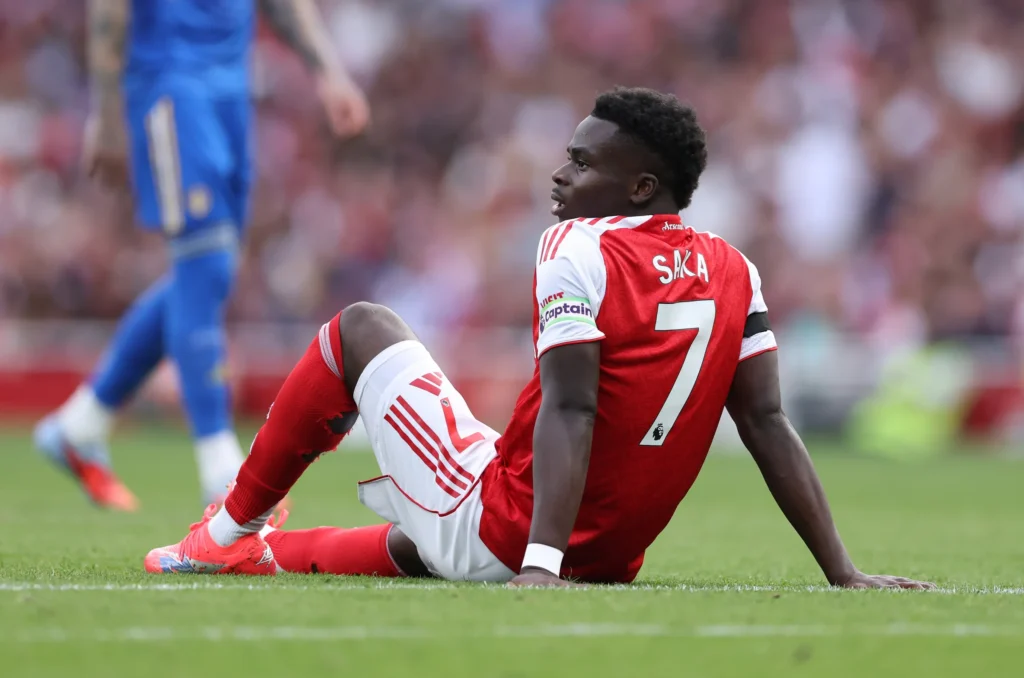
How the Saka Injury Affects Arsenal
Every team depends on key players.
For Arsenal, the Saka Injury affects multiple areas.
Attacking Creativity
Saka consistently creates opportunities from wide positions.
Without him:
- Fewer crosses
- Fewer progressive runs
- Reduced one-on-one success
Opponents also find it easier to defend.
Goal Threat
Saka contributes both goals and assists throughout the season.
His movement inside the penalty area often creates space for teammates.
Tactical Flexibility
Managers can build entire game plans around Saka’s versatility.
He can:
- Play wide
- Cut inside
- Press defenders
- Track back defensively
Few players combine these qualities.
What Makes Saka So Difficult to Replace?
Elite footballers are never easy to replace.
Saka offers:
Technical Ability
His first touch, close control, and finishing make him dangerous in every match.
Decision-Making
Young players often struggle under pressure.
Saka consistently makes mature decisions in attacking situations.
Durability
Before recent injury concerns, Saka had built a reputation for playing through demanding schedules.
That reliability made him indispensable.
Recovery Timeline
Every Saka Injury recovery depends on several factors.
These include:
| Recovery Stage | Expected Focus |
| Medical Evaluation | Diagnose injury |
| Early Recovery | Reduce pain and swelling |
| Physical Therapy | Restore movement |
| Strength Training | Build muscle strength |
| Football Training | Return to team drills |
| Match Fitness | Competitive return |
Even after returning, players often need several matches before reaching peak performance.
What Fans Should Expect
One mistake supporters often make is expecting immediate brilliance after an injury.
Returning players usually need time to regain:
- Sharpness
- Confidence
- Match rhythm
- Sprint speed
- Endurance
Patience benefits both the player and the club.
How Modern Sports Medicine Helps Recovery
Football medicine has improved dramatically over the past decade.
Today’s rehabilitation programs include:
Advanced Monitoring
Doctors track:
- Running distance
- Sprint intensity
- Muscle fatigue
- Heart rate
- Recovery speed
Individual Training
Every player receives customized recovery plans.
This reduces unnecessary risk.
Nutrition
Proper nutrition supports:
- Muscle repair
- Hydration
- Energy recovery
- Inflammation reduction
Small improvements can significantly shorten recovery periods.
Can Arsenal Cope Without Saka?
Arsenal possess a talented squad.
However, replacing Saka’s production remains difficult.
Managers often rely on tactical adjustments rather than expecting one player to replicate everything Saka offers.
Possible adjustments include:
- Rotating attacking players
- Changing formations
- Increasing midfield creativity
- Encouraging full-backs to attack more
Still, few teams remain unchanged after losing one of their biggest stars.
Supporters Continue Backing Their Star
One encouraging aspect of every Saka Injury update has been the overwhelming support shown by fans.
Social media, stadium chants, and club messages consistently demonstrate appreciation for his commitment.
That support often plays an important psychological role during rehabilitation.
Recovering athletes frequently mention how much encouragement from supporters helps maintain motivation.
What Makes Saka a World-Class Talent?
Even at a relatively young age, Saka has already achieved remarkable success.
His strengths include:
- Exceptional football intelligence
- Calmness under pressure
- Creative passing
- Clinical finishing
- Outstanding work ethic
These qualities explain why both Arsenal and England rely heavily on him.
Looking Ahead
The outlook surrounding the Saka Injury remains encouraging.
Provided recovery continues without setbacks, supporters can look forward to seeing one of football’s brightest talents return stronger than before.
Arsenal’s medical staff have consistently demonstrated a careful approach with injured players, prioritizing long-term fitness instead of short-term gains.
That strategy gives Saka the best opportunity to perform at his highest level once he returns.
Frequently Asked Questions
How serious is the Saka Injury?
The exact severity depends on medical assessments. Recovery plans are adjusted based on progress throughout rehabilitation.
When is Saka expected to return?
Return dates depend on medical clearance and successful completion of full training sessions.
Why isn’t Arsenal rushing him back?
The club wants to reduce the risk of re-injury and ensure Saka returns at full fitness.
Will the injury affect his long-term career?
Most modern football injuries recover well with proper treatment, rehabilitation, and careful workload management.
Why is Saka so important to Arsenal?
His goals, assists, creativity, pressing, and leadership make him one of Arsenal’s most influential players.
Conclusion
The latest Saka Injury update offers cautious optimism for Arsenal supporters. While every recovery requires patience, the signs remain encouraging as he progresses through rehabilitation under expert medical supervision.
Football is filled with moments of uncertainty, and injuries are an unfortunate part of the game. However, Saka has already shown remarkable resilience throughout his career. His professionalism, dedication, and determination suggest he’ll return ready to make an impact once again.
For Arsenal, having a fully fit Saka is about much more than adding another name to the starting lineup. He brings creativity, confidence, and match-winning quality that few players can replicate. Taking the extra time now to ensure a complete recovery is an investment in both his future and the club’s ambitions.
As more Saka Injury news becomes available, fans will undoubtedly continue following every update closely. Until then, patience remains the key. A healthy, confident Bukayo Saka is worth waiting for, and supporters everywhere will be eager to see him back doing what he does best—lighting up the football pitch.