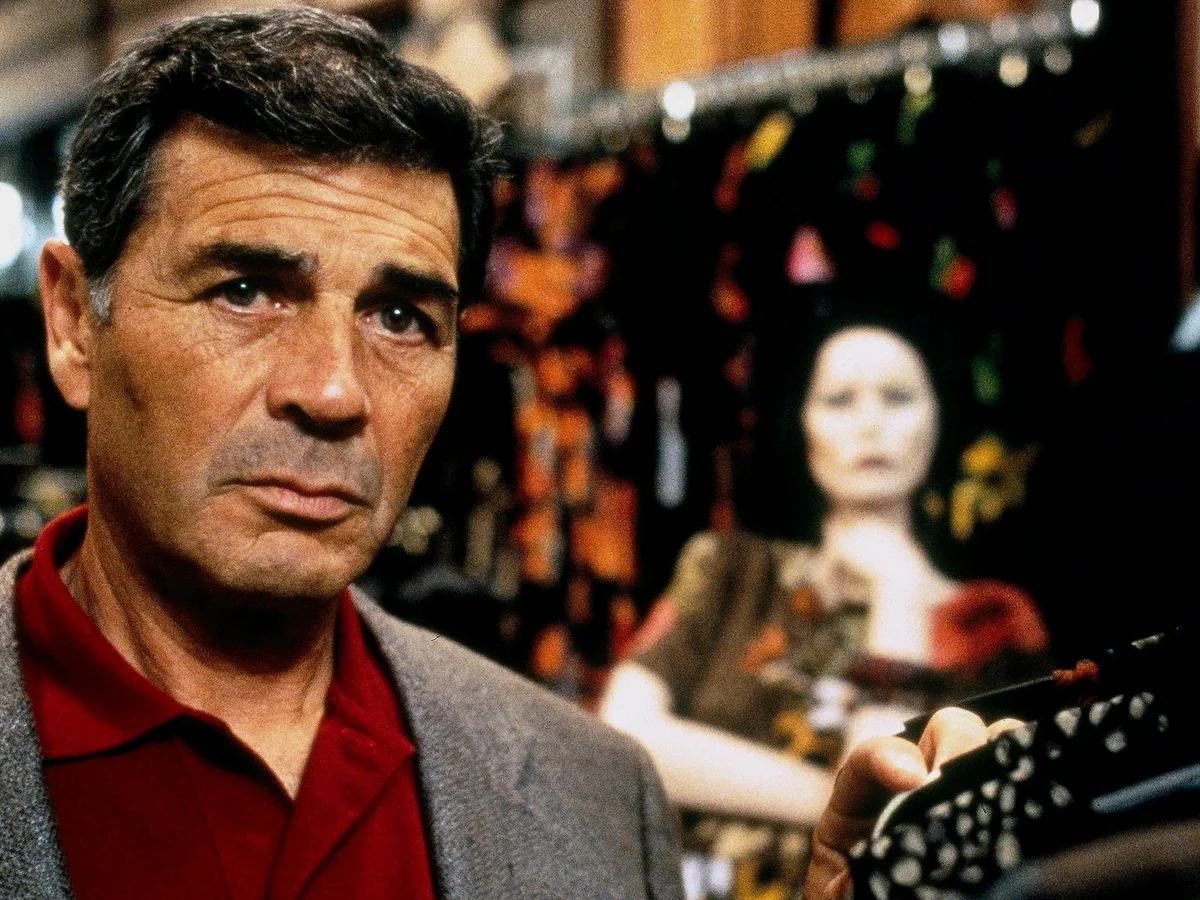

Some actors don’t just appear in films—they leave fingerprints on them. That’s exactly the kind of presence Robert Forster had every time he stepped in front of the camera. He wasn’t the loudest star in Hollywood, nor the most commercially decorated, but he had something far more enduring: authenticity.
When you look back at the career of Robert Forster, you don’t just see roles—you see evolution. A man who worked through changing eras of cinema, adapted to shifting industry expectations, and eventually earned the kind of late-career recognition most actors only dream about.


This article explores the career highlights of Robert Forster, his most iconic roles, and why his work continues to matter long after his passing.
Robert Forster Biography (Quick Overview)
| Category | Details |
|---|---|
| Full Name | Robert Wallace Forster Jr. |
| Date of Birth | July 13, 1941 |
| Age | 78 (at time of death in 2019) |
| Profession | Actor |
| Nationality | American |
| Net Worth (approx.) | $4 million |
| Notable Works / Achievements | Jackie Brown, Breaking Bad, Mulholland Drive, Oscar nomination |
Early Life and Entry into Acting
The early journey of Robert Forster wasn’t paved with instant Hollywood success. Born in Rochester, New York, he initially had no direct path into acting. Like many actors of his generation, he entered the industry through determination rather than privilege.
What set Robert Forster apart early on was his calm intensity. Even in auditions, he had a grounded presence that casting directors noticed immediately. He studied theatre and gradually worked his way into television roles during the 1960s.
At this stage, Robert Forster was building experience rather than fame. And that foundation would later become crucial to his long-term success.
Breakthrough in Hollywood
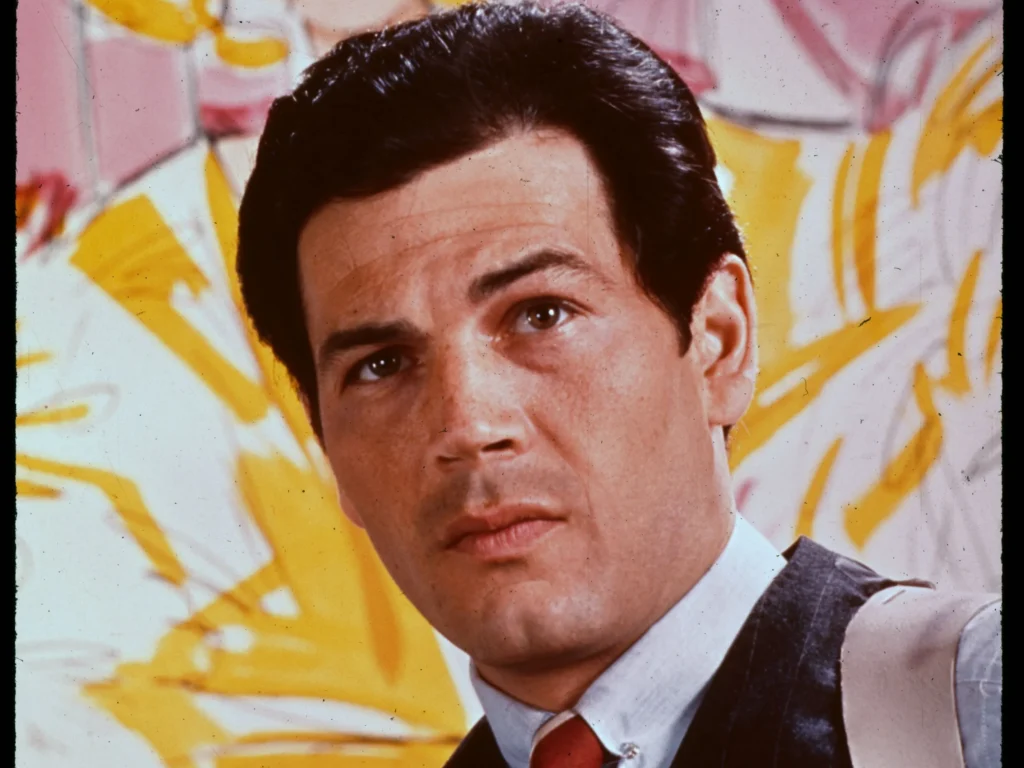
The late 1960s marked a turning point for Robert Forster. His film debut in Reflections in a Golden Eye (1967) placed him alongside major Hollywood names, and suddenly, he was on the radar of serious filmmakers.
What made Robert Forster stand out wasn’t flashy charisma. It was restraint. He brought a subtle emotional realism that felt different from many of his contemporaries.
Why his early performances mattered:
- Naturalistic acting style
- Strong screen presence without overacting
- Ability to play emotionally complex characters
- Believability in tense, psychological roles
By the early 1970s, Robert Forster was already considered a respected working actor, even if he hadn’t yet become a household name.
Career Challenges and Industry Slowdown
Like many actors, Robert Forster experienced a difficult stretch in his career. During the late 1970s and 1980s, opportunities became less frequent. Hollywood was changing, and many traditional actors found themselves sidelined.
However, Robert Forster never fully disappeared. Instead, he shifted into supporting roles and television appearances. While some might have seen this as a decline, it actually preserved his career longevity.
This period showed a different side of Robert Forster—resilience. He kept working, kept improving, and stayed ready for the right opportunity.
The Career Revival: Quentin Tarantino and “Jackie Brown”
If there is one defining moment in Robert Forster’s career renaissance, it is his collaboration with Quentin Tarantino in Jackie Brown (1997).
This role completely reintroduced Robert Forster to a new generation of film lovers. He played Max Cherry, a quiet, emotionally layered bail bondsman—a role that perfectly matched his understated acting style.
Why this role mattered so much:
- It was a comeback performance after years of quieter work
- Showcased emotional depth and maturity
- Earned him an Academy Award nomination
- Reestablished him as a top-tier character actor
For many critics, Robert Forster delivered one of the most human performances in modern cinema. He didn’t need dramatic monologues or exaggerated expressions—his strength was silence, timing, and emotional honesty.
This role alone is often considered the defining moment in Robert Forster’s legacy.
Robert Forster Career Highlights Across Film and TV
After Jackie Brown, Robert Forster entered a new phase of his career. Directors began seeking him out specifically for grounded, intelligent supporting roles.
Notable Film Highlights:
- Mulholland Drive (2001) – A mysterious and atmospheric role in David Lynch’s surreal masterpiece
- The Descendants (2011) – A critically praised performance alongside George Clooney
- Olympus Has Fallen (2013) – A strong supporting role in an action thriller
- What They Had (2018) – A deeply emotional late-career performance
Television Success:
Robert Forster also found strong success on television, especially in the modern prestige TV era.
- Breaking Bad – As Ed Galbraith, the “disappearer”
- Better Call Saul – Reprising the same character
- Guest roles in numerous crime dramas and series
In fact, many fans discovered Robert Forster for the first time through Breaking Bad, proving how late-career roles can redefine an actor’s legacy.
Iconic Roles That Defined Robert Forster
While his filmography is extensive, a few performances stand out as truly iconic in the career of Robert Forster.
1. Max Cherry – Jackie Brown
A quiet, emotional anchor of the film. One of his most celebrated performances.
2. Ed Galbraith – Breaking Bad / Better Call Saul
A mysterious yet practical fixer who became a fan favorite.
3. Detective Roles in Crime Films
Robert Forster often played law enforcement figures with a calm, controlled intensity.
4. Mulholland Drive Character Work
A subtle yet memorable role in a complex narrative film.
These performances highlight the range of Robert Forster while reinforcing his strength in grounded realism.
Acting Style and Industry Reputation
One of the most consistent descriptions of Robert Forster is “understated excellence.” He never overplayed emotions. Instead, he relied on expression, timing, and presence.
Key traits of his acting style:
- Minimal but impactful dialogue delivery
- Strong emotional control
- Natural realism in every performance
- Ability to elevate supporting roles
Directors often praised Robert Forster for being reliable, professional, and deeply committed to his craft. He wasn’t an actor who demanded attention—he earned it quietly.
Robert Forster’s Later Career Recognition
As the years progressed, Robert Forster experienced something rare in Hollywood: a true second peak.
His later performances received critical appreciation, and audiences began revisiting his earlier work with renewed respect. This late recognition added emotional weight to his career story.
It is not often that an actor experiences both early promise and late acclaim in such a balanced way. Robert Forster achieved exactly that.
Legacy and Cultural Impact
The legacy of Robert Forster is not built on blockbuster fame but on consistency and craft. He represents a type of actor that Hollywood increasingly struggles to produce—steady, grounded, and deeply authentic.
His influence can be seen in:
- Modern character-driven storytelling
- Television’s rise of cinematic acting standards
- Respect for supporting actors in major films
Robert Forster showed that a career does not need constant stardom to be meaningful. Instead, it needs endurance and integrity.
Lessons from Robert Forster’s Career
There is something quietly inspiring about the career of Robert Forster. It doesn’t follow a traditional Hollywood success arc, yet it feels complete in its own way.
Key takeaways from his journey include:
- Persistence matters more than early fame
- Supporting roles can define a legacy
- Resilience leads to unexpected comebacks
- Authenticity resonates more than glamour
- Long careers often matter more than fast success
Robert Forster built a career that younger actors still study today.
Conclusion
When we reflect on Robert Forster career highlights, what stands out is not just the films he made, but the way he made them. He brought sincerity to every role, whether he was a lead character or a quiet supporting presence.
From his early Hollywood days to his unforgettable performance in Jackie Brown and his resurgence in modern television, Robert Forster proved that true acting is about presence, not volume.
His legacy remains firmly rooted in authenticity, discipline, and emotional truth. And that is exactly why Robert Forster continues to be remembered as one of the most respected actors of his generation.
If his work has ever stayed with you, it’s worth revisiting—because great acting like his reveals something new every time you watch it.