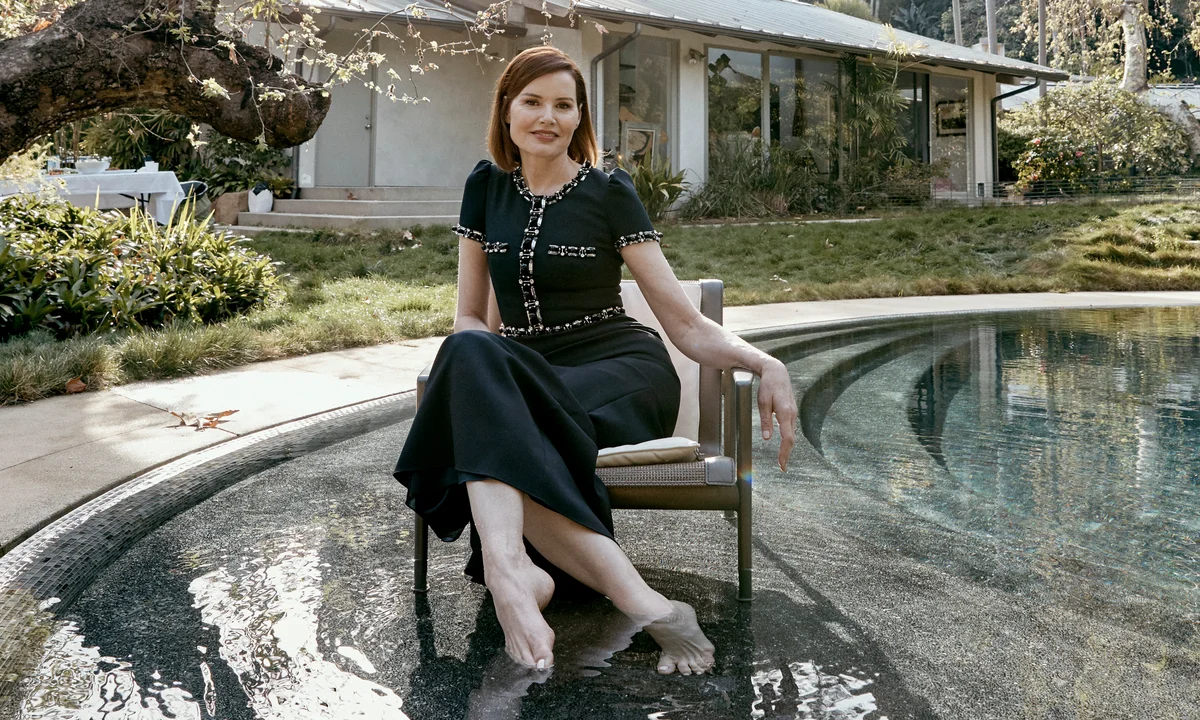

Some actors become famous. Others become influential. But only a few manage to become both—and even fewer manage to reshape the conversation around their entire industry. Geena Davis is one of those rare figures.
When people think of Hollywood in the late 20th century, her name often appears alongside discussions about talent, versatility, and intelligence on screen. But what makes Geena Davis especially compelling is that her impact did not stop at acting. She expanded her influence into activism, education, and media reform, proving that a film career can evolve into something much larger.


In this article, we explore how Geena Davis built her legacy as an actress, how she became a respected activist, and why her influence continues to shape both film and society today.
Geena Davis BIO
| Category | Details |
|---|---|
| Full Name | Virginia Elizabeth Davis |
| Date of Birth | January 21, 1956 |
| Age | 69 (as of 2026) |
| Profession | Actress, Activist, Producer |
| Nationality | American |
| Net Worth (approx.) | Estimated $30–40 million |
| Notable Works | Thelma & Louise, A League of Their Own, The Fly |
| Awards | Academy Award, Golden Globe Award |
Early Life and Unexpected Path to Acting
A Different Beginning
Before the world knew her as Geena Davis, she was a young woman with interests far beyond Hollywood. She studied at Boston University and initially had no direct path into acting.
Interestingly, her journey into entertainment did not begin with film auditions. Instead, she started as a model, which eventually opened doors she never expected.
From Modeling to Movies
The transition from modeling to acting is not always smooth, but Geena Davis brought something unique to the screen: intelligence, subtle humor, and emotional depth.
It didn’t take long for filmmakers to notice her presence.
Breakthrough in Hollywood
The Fly and Early Recognition
One of the early defining moments in the career of Geena Davis was her role in The Fly (1986). The film was both a commercial success and a critical milestone.
Her performance demonstrated:
- Strong emotional range
- Ability to handle intense dramatic scenes
- Natural chemistry with co-stars
- A balance of vulnerability and strength
This role helped establish Geena Davis as more than just a newcomer—she was a serious actress.
The Rise of a Film Icon
Thelma & Louise: A Cultural Turning Point
If there is one film that permanently changed how audiences viewed Geena Davis, it is Thelma & Louise (1991).
This film was not just popular—it was culturally significant.
In it, she portrayed Thelma, a woman discovering independence, rebellion, and identity. The film challenged traditional Hollywood storytelling and became a symbol of female empowerment.
What made her performance unforgettable:
- Emotional authenticity
- Strong chemistry with Susan Sarandon
- A fearless portrayal of transformation
- A story that broke industry expectations
For many viewers, Geena Davis became a symbol of cinematic freedom.
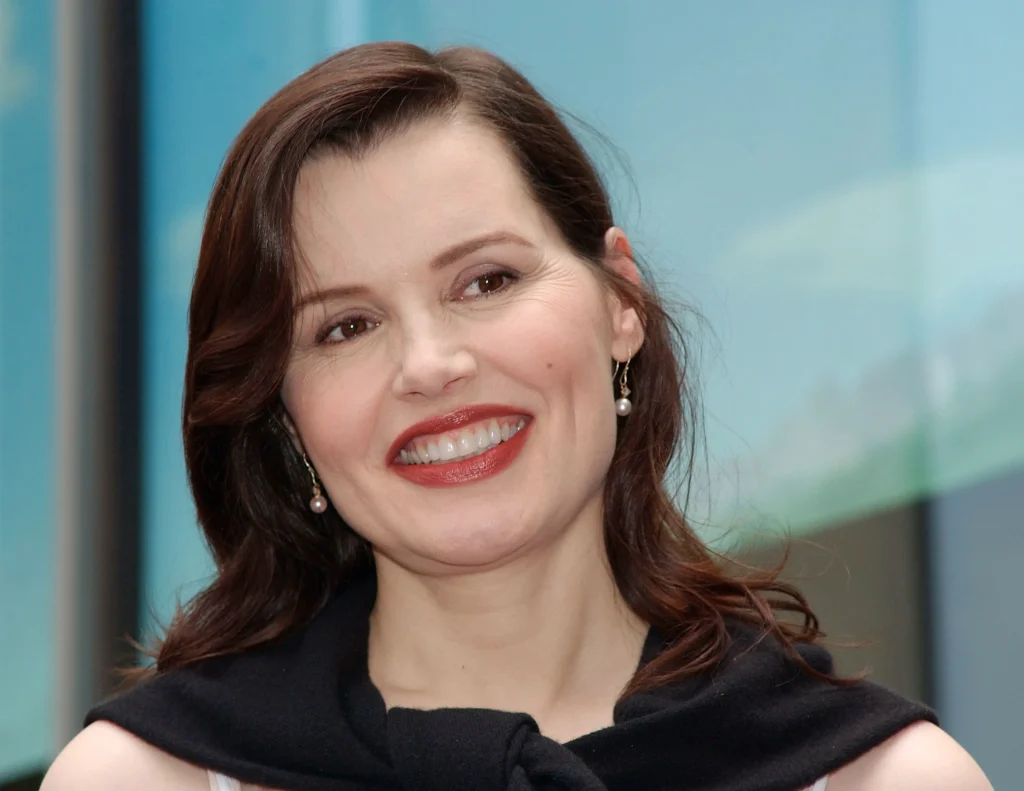
A League of Their Own
Another major milestone in the career of Geena Davis was A League of Their Own (1992).
This film told the story of women in professional baseball during World War II. It combined humor, emotion, and historical significance.
Her role as Dottie Hinson showcased:
- Leadership presence
- Athletic performance
- Emotional intelligence
- Strong ensemble acting
The film remains one of the most beloved sports dramas in cinema history.
Acting Style and Screen Presence
Intelligence Meets Emotion
One of the most distinctive traits of Geena Davis is how she combines intelligence with emotional depth. Her characters often feel thoughtful, layered, and relatable.
She does not rely on exaggerated performance. Instead, she uses subtle expression and timing.
Key Characteristics of Her Acting Style
- Calm but powerful delivery
- Strong emotional control
- Natural comedic timing
- Ability to lead ensemble casts
- Deep character immersion
This combination made Geena Davis stand out in both dramatic and comedic roles.
Major Film Highlights
Over the years, Geena Davis built a diverse filmography. Some of her most notable works include:
- The Fly (1986)
- Beetlejuice (1988)
- Thelma & Louise (1991)
- A League of Their Own (1992)
- The Long Kiss Goodnight (1996)
Each role showed a different dimension of her talent, reinforcing her versatility.
Transition into Activism
Beyond Hollywood
While many actors remain focused solely on entertainment, Geena Davis took a different path. She became deeply involved in advocacy, particularly regarding representation in media.
Her activism focuses on a powerful question: how are women and girls portrayed in film and television?
The Geena Davis Institute
One of her most important contributions is the creation of the Geena Davis Institute on Gender in Media.
This organization works to:
- Research gender representation in media
- Promote equal opportunities in storytelling
- Encourage inclusive casting practices
- Support diversity in film production
Through this institute, Geena Davis expanded her influence far beyond acting.
Impact on Gender Representation
Changing the Narrative
The work of Geena Davis in media research has had a measurable impact. Studies from her institute have influenced how studios think about casting and storytelling.
Key findings include:
- Women were significantly underrepresented in major films
- Male characters often dominated speaking roles
- Female characters were frequently stereotyped
Her advocacy helped bring these issues into mainstream discussion.
Why Her Work Matters
The importance of Geena Davis as an activist lies in her ability to connect art with data. She does not only speak about change—she supports it with research.
Awards and Recognition
Throughout her career, Geena Davis has received numerous honors, including:
- Academy Award for Best Supporting Actress
- Golden Globe Award
- Humanitarian awards for activism
- Recognition from international film organizations
These awards reflect both her artistic talent and her social impact.
Cultural Influence and Legacy
A Lasting Hollywood Presence
The influence of Geena Davis extends across generations of actors and filmmakers. Many modern performers cite her roles as inspiration for strong female characters.
She helped redefine what it means to be a leading woman in Hollywood.
Why She Remains Relevant
Even today, Geena Davis continues to be relevant because:
- Her films remain widely watched
- Her activism continues to grow
- Her research influences media industries
- Her legacy inspires new storytelling approaches
Lessons from Her Career
1. Reinvention is Strength
The journey of Geena Davis shows that careers can evolve in unexpected ways.
2. Art and Advocacy Can Coexist
She proves that an artist can also be an activist without losing creative identity.
3. Representation Matters
Her work highlights the importance of diverse storytelling in shaping culture.
Conclusion
The story of Geena Davis is more than a Hollywood success story—it is a journey of transformation, influence, and purpose. From her early acting roles to her groundbreaking performances and later activism, she has built a legacy that spans both entertainment and social change.
What makes Geena Davis truly remarkable is her ability to move beyond the screen and challenge the industry itself. She did not just act in films; she helped reshape how stories are told.
Today, her legacy continues through her films, her advocacy, and the ongoing work of her institute. For audiences and filmmakers alike, Geena Davis remains a powerful example of how talent and purpose can work together to create lasting impact.