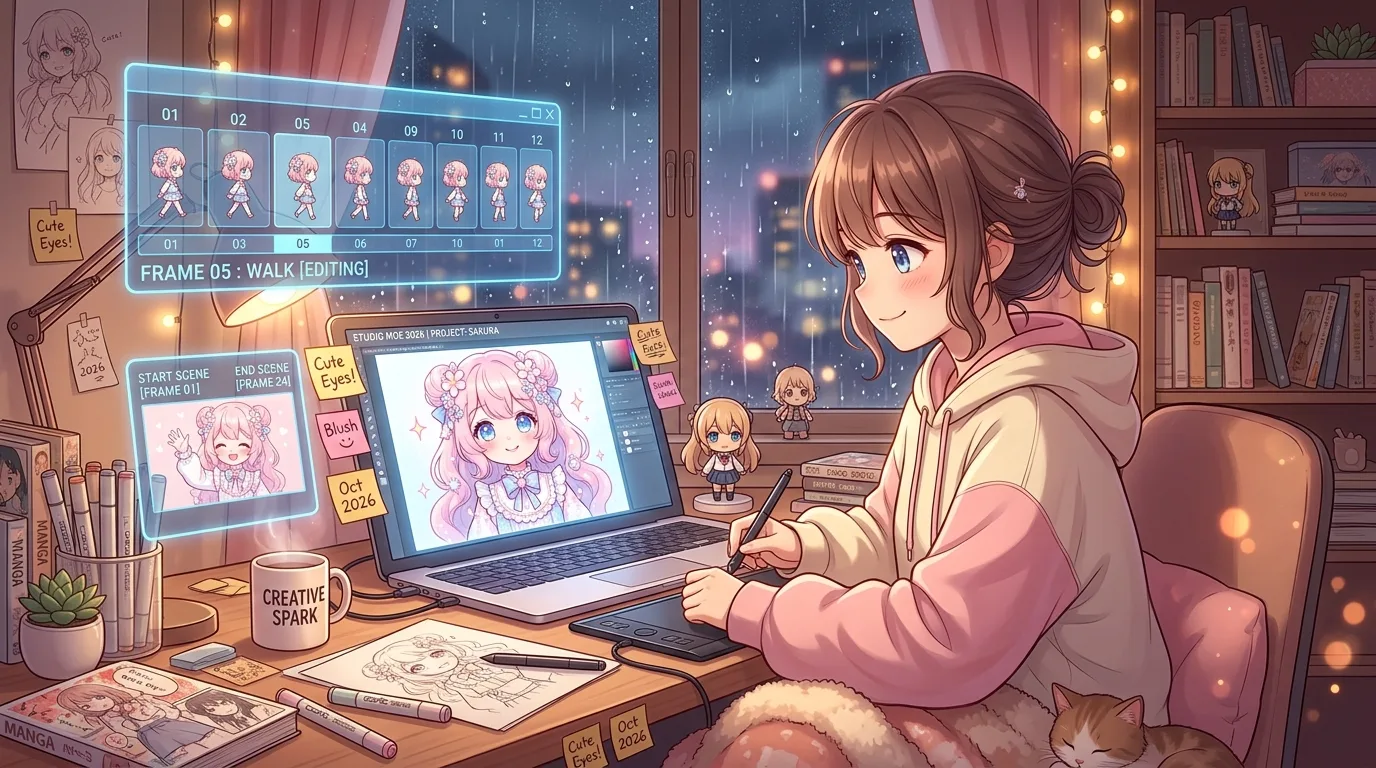

The world of anime aesthetics is constantly evolving, but every once in a while, a style or concept emerges that quietly shapes the entire creative landscape. One of those rising ideas is dojen moe. At first glance, it might sound like just another niche internet term, but once you dig deeper, it becomes clear that it reflects a much broader shift in how digital art, anime culture, and character design are evolving.
What makes dojen moe so interesting is not just its visual appeal, but the emotional connection it creates between characters and audiences. It blends softness, expressive storytelling, and stylized charm in a way that feels both modern and nostalgic at the same time.


In this article, we’ll break down the meaning, explore its cultural roots, examine its impact on anime fandoms, and understand why dojen moe continues to gain popularity in digital art communities worldwide.
What Is Dojen Moe?
At its core, Dojen Moe refers to a stylistic and emotional expression often found in anime-inspired artwork and character design. The word “moe” in Japanese pop culture generally describes feelings of affection, cuteness, or emotional attachment toward fictional characters. When combined with the idea of “dojen,” it expands into a more specific aesthetic category that emphasizes exaggerated emotional softness, expressive facial features, and deeply engaging character personalities.
In simpler terms, dojen moe is not just about how a character looks—it’s about how they make you feel.
Common elements include:
- Large expressive eyes
- Soft color palettes
- Emotional or shy character expressions
- Stylized anime proportions
- Warm lighting and gentle shading
- Highly detailed facial emotion design
- Youthful or innocent character traits
- Romantic or nostalgic storytelling tones
Many fans associate dojen moe with emotional storytelling, slice-of-life anime themes, and visually comforting art styles.
The Origins of Dojen Moe
The origins of dojen moe are deeply tied to the evolution of Japanese anime culture and digital illustration trends. While it doesn’t come from a single official source, it developed gradually through fan communities, digital artists, and anime studios experimenting with emotional expression.
Historically, anime aesthetics have always leaned toward stylization rather than realism. Over time, this led to the rise of “moe culture,” which focused heavily on emotional attachment to characters. Dojen moe can be seen as an extension of this movement, blending traditional moe traits with more refined emotional depth and artistic softness.
Key influences include:
- Early anime character design trends
- Japanese manga illustration styles
- Doujinshi fan art culture
- Kawaii culture in Japan
- Visual novel storytelling
- Digital painting tools and illustration software
- Otaku subculture evolution
- Internet fandom communities
The rise of social media platforms and digital art sharing websites also helped spread dojen moe globally, allowing artists to refine and remix the style freely.
The Meaning Behind Dojen Moe in Modern Culture
Understanding dojen moe requires more than just visual analysis. It represents a cultural shift in how people engage with fictional characters and emotional storytelling.
In modern usage, dojen moe often reflects:
- Emotional vulnerability in characters
- Deeply expressive facial storytelling
- A focus on innocence and emotional purity
- Aesthetic comfort and visual softness
- Strong character-fan emotional bonding
It is often used in discussions about anime character design, illustration trends, and emotional storytelling in visual media.
Interestingly, dojen moe also overlaps with concepts like aesthetic escapism, where viewers find comfort in fictional worlds that feel emotionally safe and visually soothing.
Dojen Moe in Anime and Digital Art
The influence of dojen moe in anime and digital illustration is undeniable. Many modern anime series and fan-made artworks subtly incorporate its principles.
Visual Traits in Anime
Anime influenced by dojen moe often includes:
- Soft lighting effects
- Emotional close-up shots
- Gentle color grading
- Focus on facial expressions
- Slow-paced emotional scenes
Digital Art Evolution
Digital artists working in this style often use tools like:
- Digital painting software
- Layer-based illustration techniques
- Soft brush shading
- Gradient lighting effects
- High-resolution character rendering
This has made dojen moe a popular aesthetic in fan art communities, illustration portfolios, and character concept design.
Cultural Impact of Dojen Moe
The cultural influence of dojen moe extends far beyond anime fandoms. It has become part of a larger global appreciation for Japanese-inspired visual storytelling.
Influence on Online Communities
- Growth of anime fan forums
- Expansion of digital art sharing platforms
- Rise of character-based storytelling discussions
- Increased interest in aesthetic analysis
Impact on Pop Culture
- Inspired character design in games and animation
- Influenced visual novel aesthetics
- Shaped merchandise design styles
- Contributed to meme culture evolution
Emotional Psychology Aspect
Many psychologists and media researchers link moe-based aesthetics like dojen moe to emotional comfort theory, where viewers seek soothing and emotionally safe content.
Dojen Moe and Internet Fandom Culture
One of the strongest drivers behind dojen moe is internet fandom culture. Online communities have played a massive role in shaping, defining, and expanding its meaning.
Fans often use the term when discussing:
- Character admiration in anime series
- Emotional storytelling moments
- Fan-made illustrations and edits
- Character personality archetypes
- Romantic or wholesome anime scenes
The spread of dojen moe is also tied to meme culture, where expressive anime faces and emotional exaggeration become viral content formats.
Key Characteristics of Dojen Moe
To better understand dojen moe, here are its defining features:
Visual Characteristics
- Soft pastel colors
- Rounded facial structures
- Emotional eye design
- Gentle shading techniques
Emotional Characteristics
- Innocence and vulnerability
- Romantic emotional tone
- Comfort-driven storytelling
- Deep character empathy
Artistic Characteristics
- Stylized proportions
- Clean linework
- Balanced composition
- Focus on expression over realism
Comparison Table: Dojen Moe vs Traditional Anime Style
| Feature | Dojen Moe | Traditional Anime Style |
|---|---|---|
| Emotional focus | High | Moderate |
| Color palette | Soft & pastel | Varied & bold |
| Character expression | Highly exaggerated | Balanced |
| Story tone | Emotional & gentle | Action or mixed genres |
| Art style | Stylized softness | Flexible realism |
Why Dojen Moe Is Growing in Popularity
There are several reasons why dojen moe continues to grow in popularity:
- Rising interest in emotional storytelling
- Expansion of anime globally
- Growth of digital art communities
- Social media sharing culture
- Increased appreciation for aesthetic visuals
- Strong fan engagement in character-driven content
In addition, modern audiences often seek comfort content, and Dojen Moe fits perfectly into that emotional space.
Criticism and Different Perspectives
While dojen moe is widely appreciated, it also faces some criticism. Some viewers feel that it can over-emphasize cuteness at the expense of narrative depth. Others argue that it may lead to repetitive character designs in anime and fan art communities.
However, supporters believe that its emotional focus and artistic softness are exactly what make it unique and valuable.
Future of Dojen Moe in Digital Media
Looking ahead, dojen moe is likely to evolve even further. With advancements in animation technology, AI-assisted art tools, and global anime production, the style may become even more refined.
Possible future trends include:
- More immersive emotional storytelling in anime
- AI-enhanced character design tools
- Interactive visual novels with deeper emotional systems
- Expansion into virtual reality experiences
- Hybrid art styles combining realism and moe aesthetics
The future of dojen moe looks closely tied to the evolution of digital creativity itself.
Conclusion
Why Dojen Moe Matters
At first, dojen moe may seem like just another anime-style trend, but it actually represents something much deeper. It reflects how people connect emotionally with visual storytelling, how digital art continues to evolve, and how global fandoms shape cultural expression.
From its origins in anime-inspired illustration to its growing influence in modern digital culture, dojen moe has carved out a unique place in the world of creative expression. Whether you are an artist, anime fan, or simply someone interested in visual storytelling, it offers a fascinating lens through which to understand emotional design in media.