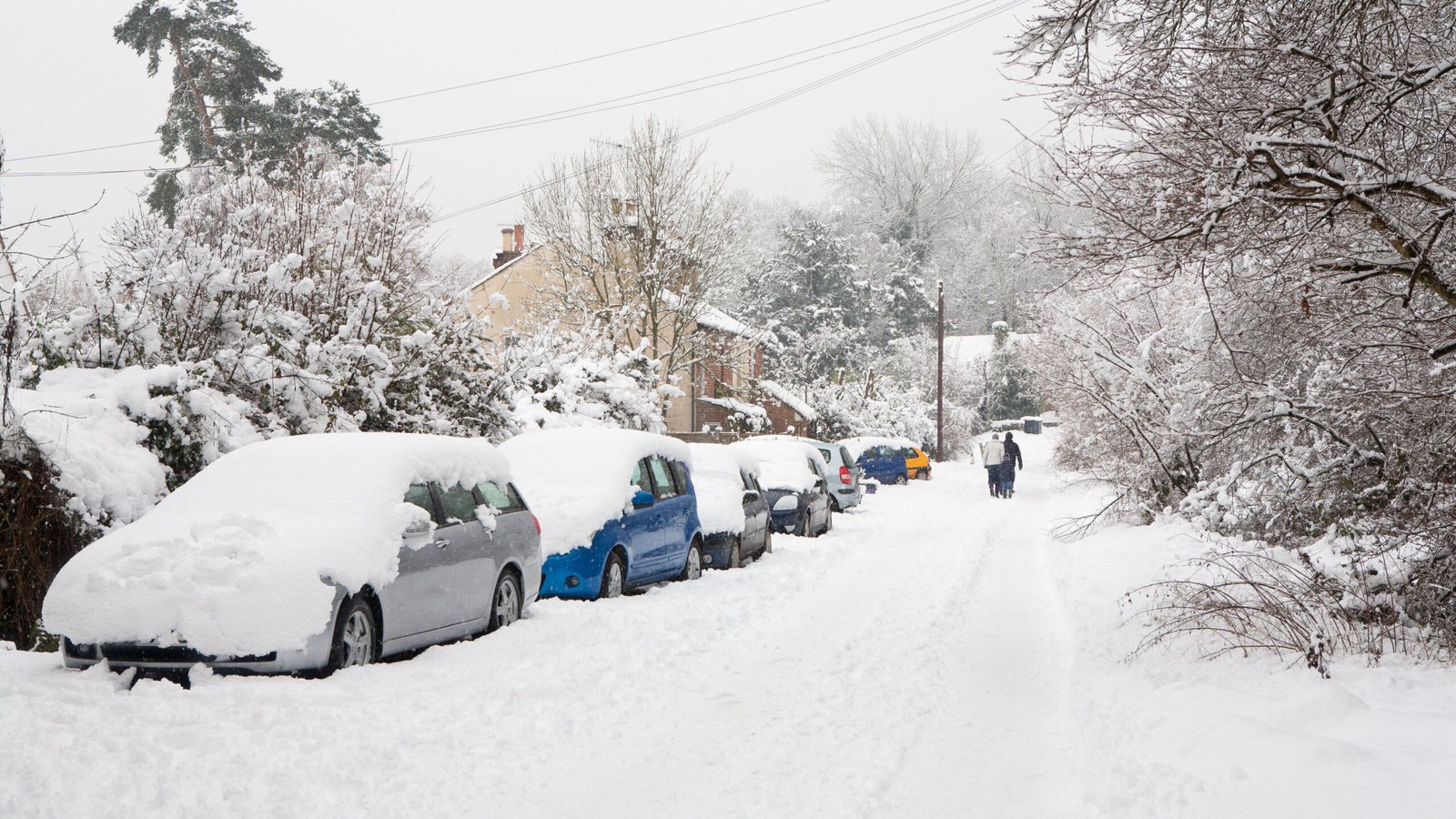

Winter in the United Kingdom often brings beautiful snowy landscapes, but it can also create significant travel challenges. Heavy snowfall, icy roads, freezing temperatures, and reduced visibility affect millions of commuters and holidaymakers every year. Whether you’re driving across rural roads, catching a train, or flying to your destination, understanding how to prepare for winter conditions can make all the difference.
This UK weather snow expert winter travel advice guide covers everything you need to know to stay safe, protect your vehicle, and travel confidently during snowy weather.


Understanding UK Weather Snow Conditions
Snowfall in the UK varies greatly depending on location and elevation. Northern England, Scotland, Wales, and higher ground usually receive the most snow, while southern regions often experience lighter snowfall mixed with rain.
Winter weather can change rapidly due to Atlantic weather systems, making accurate forecasts essential before beginning any journey. Even areas that rarely receive snow can experience sudden disruptions during cold weather outbreaks.
Checking local weather forecasts regularly allows travelers to prepare for changing road conditions and possible transport delays.
Why Snow Creates Travel Problems
Snow affects transportation in several ways:
- Reduced road grip
- Black ice formation
- Poor visibility
- Traffic congestion
- Flight delays
- Train cancellations
- Bus route disruptions
Even a small amount of snow can cause major delays because the UK’s road infrastructure is not always designed for prolonged severe winter weather.
Check Weather Forecasts Before You Travel
One of the most important pieces of UK weather snow expert winter travel advice is never starting a journey without checking updated forecasts.
Look for:
- Snowfall warnings
- Ice warnings
- Wind alerts
- Temperature forecasts
- Road conditions
- Flood risks after melting snow
Weather forecasts are updated regularly, so checking them several times throughout the day is recommended during winter storms.
Prepare Your Vehicle for Snow
Winter driving begins long before you start the engine.
Experts recommend checking:
Tyres
Tyres should have:
- Adequate tread depth
- Correct pressure
- No visible damage
Winter tyres provide improved grip during freezing temperatures.
Battery
Cold temperatures reduce battery performance significantly.
Before winter:
- Test battery health
- Clean battery terminals
- Replace old batteries if necessary
Windscreen
Visibility is essential.
Ensure you have:
- Working windscreen wipers
- Winter screen wash
- Ice scraper
- De-icer spray
Lights
Snow reduces visibility dramatically.
Check that:
- Headlights work properly
- Brake lights function correctly
- Indicators remain visible
Clean snow from all lights before driving.
Pack a Winter Emergency Kit
Experienced winter drivers always carry emergency supplies.
A good winter kit includes:
- Warm blankets
- High-visibility jacket
- Torch
- Power bank
- Mobile phone charger
- Drinking water
- Snacks
- First-aid kit
- Ice scraper
- Shovel
- Tow rope
- Jump leads
- Extra gloves
- Waterproof boots
These items can make waiting for assistance far safer if you become stranded.

Drive More Slowly
Speed is one of the biggest causes of winter accidents.
When roads are snowy:
- Reduce speed
- Increase following distance
- Brake gently
- Accelerate smoothly
- Avoid sudden steering movements
Even roads that appear clear may hide dangerous black ice.
Understand Black Ice
Black ice is nearly invisible and forms when moisture freezes on road surfaces.
It commonly appears:
- Early morning
- Late evening
- On bridges
- In shaded areas
- On untreated roads
Drivers often lose control because black ice cannot easily be seen.
Drive cautiously whenever temperatures fall near or below freezing.
Leave Extra Travel Time
Snow nearly always increases journey times.
Allow additional time for:
- Traffic congestion
- Road closures
- Vehicle recovery
- Slow driving
- Clearing snow from vehicles
Rushing in snowy conditions greatly increases accident risk.
Keep Your Fuel Tank Full
Experts recommend never allowing your fuel level to fall below half during winter.
Extra fuel provides:
- Heating if stranded
- Longer engine operation
- Flexibility if roads close
Electric vehicle drivers should also ensure batteries remain well charged before winter journeys.
Public Transport During Snow
Snow doesn’t only affect drivers.
Passengers should:
- Check train services before leaving home
- Monitor flight updates
- Confirm bus schedules
- Expect delays during severe weather
Many transport operators provide live updates through websites and mobile apps.
Walking Safely in Snow
Pedestrians also face increased risks.
Wear:
- Waterproof footwear
- Non-slip soles
- Warm clothing
- Waterproof gloves
Walk carefully on untreated pavements where ice may be hidden beneath fresh snow.
Protect Your Home Before Travelling
Before leaving home during snowy weather:
- Insulate exposed pipes
- Set heating timers
- Secure outdoor furniture
- Clear pathways
- Inform neighbours if travelling for several days
These simple steps reduce the chance of winter damage.
Winter Driving Tips From Experts
Professional driving instructors recommend:
- Use higher gears when moving off.
- Avoid harsh acceleration.
- Keep both hands on the steering wheel.
- Increase braking distance significantly.
- Avoid unnecessary overtaking.
- Stay calm if your vehicle begins to skid.
If your vehicle skids:
- Ease off the accelerator.
- Steer gently into the direction of the skid.
- Avoid slamming on the brakes.
Remaining calm helps maintain control.
Essential Clothing for Winter Travel
Dress for conditions rather than appearance.
Recommended clothing includes:
- Thermal base layers
- Waterproof jacket
- Warm hat
- Scarf
- Gloves
- Thick socks
- Waterproof footwear
Layering clothing helps regulate body temperature effectively.
What to Do if You Become Stranded
Despite careful planning, heavy snowfall can leave drivers trapped.
If stranded:
- Stay inside the vehicle.
- Keep your seatbelt fastened.
- Call for assistance.
- Run the engine occasionally for warmth.
- Ensure the exhaust pipe remains clear of snow.
- Display a warning triangle if safe.
- Use emergency supplies sparingly.
Never attempt long walks in severe snow unless absolutely necessary.
Winter Travel Checklist
Before every winter journey, confirm:
| Task | Complete |
|---|---|
| Weather forecast checked | ✔ |
| Vehicle inspected | ✔ |
| Fuel topped up | ✔ |
| Phone charged | ✔ |
| Emergency kit packed | ✔ |
| Warm clothing ready | ✔ |
| Travel route planned | ✔ |
| Family informed | ✔ |
This simple checklist reduces the likelihood of unexpected problems.
Common Winter Travel Mistakes
Avoid these frequent errors:
- Ignoring weather warnings
- Driving too fast
- Using worn tyres
- Running low on fuel
- Leaving without emergency supplies
- Failing to clear snow from windows
- Following other vehicles too closely
Small mistakes can quickly become dangerous during snowy conditions.
Final Thoughts
Following UK weather snow expert winter travel advice can make winter journeys far safer and less stressful. Snow may create beautiful scenery across the UK, but it also demands careful preparation, patience, and awareness. Checking forecasts, preparing your vehicle, carrying emergency supplies, and adapting your driving style are simple yet highly effective ways to reduce risks.
Whether you’re commuting to work, visiting family, or heading on a winter holiday, thoughtful planning is the key to safe travel. By respecting changing weather conditions and following expert guidance, you can enjoy winter journeys with greater confidence while protecting yourself, your passengers, and other road users.