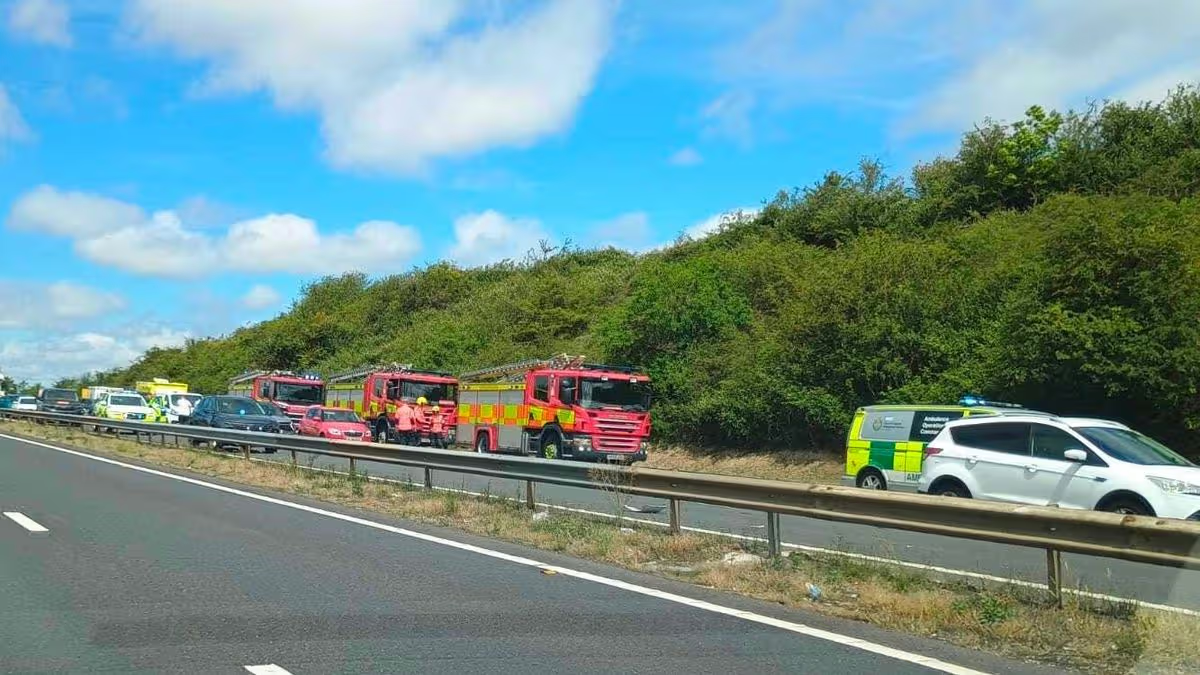

Road incidents often leave behind more than just damaged vehicles and disrupted traffic. They leave questions, confusion, and a need for clarity. The M11 Crash is one of those events that drew immediate public attention, not only because of its impact on traffic flow but also due to the concerns it raised about road safety and emergency response systems.
When news of the M11 Crash first surfaced, commuters and residents wanted quick answers. What exactly happened? Could it have been avoided? And what do official findings reveal about the situation? These are the questions that shaped public discussion and continue to drive interest in the investigation.


In this detailed breakdown, we will explore the M11 Crash, the investigation process, and the key findings that emerged. The aim is to provide a clear, structured, and human understanding of the incident without unnecessary speculation.
Understanding the M11 Crash
The M11 Crash refers to a serious road traffic incident that occurred on the M11 motorway, a major route that carries heavy commuter and transport traffic. This type of road is known for high-speed travel, which means even minor errors can quickly escalate into significant incidents.
The M11 Crash drew attention because of the scale of disruption it caused and the questions it raised about motorway safety standards.
Why the M11 Crash Matters
The importance of the M11 Crash goes beyond a single event. It highlights broader issues such as:
- High-speed motorway safety risks
- Driver awareness and reaction time
- Emergency response efficiency
- Road infrastructure management
These factors make the M11 Crash not just an isolated accident, but a case study in road safety analysis.
Timeline of the M11 Crash
Understanding the sequence of events helps make sense of the M11 Crash and its investigation.
Before the Incident
Traffic on the M11 motorway was reportedly flowing at normal speeds. Like many major highways, conditions can change rapidly due to congestion, weather, or sudden braking.
The Moment of Impact
The M11 Crash occurred when a chain reaction involving multiple vehicles was triggered. In high-speed environments, one sudden stop or misjudgment can quickly lead to a multi-vehicle collision.
Immediate Aftermath
Once the M11 Crash happened:
- Emergency services were alerted quickly
- Traffic was diverted to alternate routes
- Sections of the motorway were temporarily closed
- Medical teams assessed those involved
The speed of response played a key role in managing the situation and reducing further risk.
Investigation Into the M11 Crash
Following any major road incident, authorities begin a structured investigation. The M11 Crash was no exception.
Key Areas of Investigation
The investigation into the M11 Crash focused on several critical elements:
- Vehicle speeds at the time of impact
- Road conditions and visibility
- Driver behavior and reaction time
- CCTV and dashcam footage analysis
- Emergency response timing
Each of these factors helps build a clearer picture of what led to the M11 Crash.
What Investigators Look For
In cases like the M11 Crash, investigators do not rely on a single source of information. Instead, they combine multiple data points:
- Skid marks and road evidence
- Vehicle damage patterns
- Witness statements
- Traffic camera footage
- Black box or vehicle telemetry data (when available)
This layered approach helps ensure accuracy and reduces assumptions.
Key Findings of the M11 Crash Investigation
While every investigation has its complexities, several key findings from the M11 Crash stood out.
1. Speed and Reaction Time
One of the most significant factors in the M11 Crash was the role of speed. On motorways, even a small delay in reaction can lead to serious consequences.
In this case, the investigation highlighted how quickly the situation escalated once the initial trigger occurred.
2. Chain Reaction Effect
The M11 Crash was not a single-impact incident. Instead, it involved a chain reaction where multiple vehicles became involved within seconds.
This is common on high-speed roads and often difficult to prevent once it begins.
3. Visibility and Road Awareness
Another contributing factor in the M11 Crash was road awareness. Even in good weather, driver attention plays a crucial role in preventing collisions.
Investigators noted that reduced attention, even momentary, can significantly increase risk.
4. Emergency Response Efficiency
One positive finding from the M11 Crash investigation was the relatively fast emergency response. Teams arrived promptly, which helped manage injuries and restore traffic flow as quickly as possible.
Breakdown of Contributing Factors
To better understand the M11 Crash, it helps to break down the contributing elements in a structured way.
Driver-Related Factors
- Delayed braking response
- Following distance issues
- Sudden lane changes
- Distraction risks
Road-Related Factors
- High-speed traffic conditions
- Congestion buildup points
- Limited reaction buffer zones
Environmental Factors
- Lighting conditions
- Road surface grip
- Visibility changes due to traffic density
Each of these factors alone may not cause a crash, but combined, they increase the risk significantly.
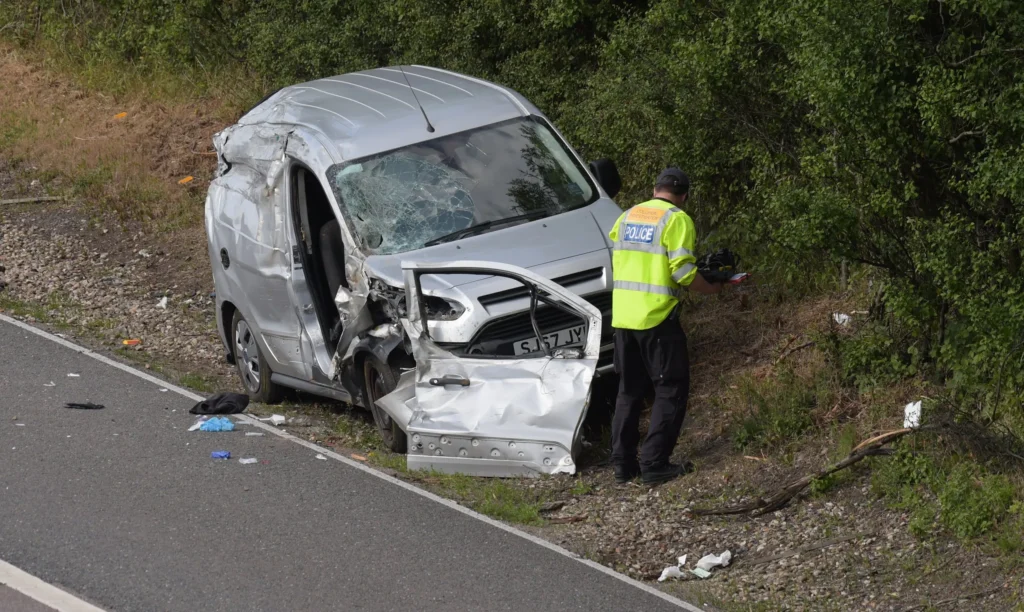
Lessons Learned From the M11 Crash
The M11 Crash offers several important lessons for both drivers and road authorities.
Maintain Safe Distance
One of the simplest but most important lessons is maintaining a safe distance. On high-speed roads, this buffer can prevent chain reactions.
Stay Focused at All Times
Even a brief distraction can contribute to incidents like the M11 Crash. Staying alert is essential, especially in heavy traffic.
Improve Infrastructure Awareness
The M11 Crash also highlights the need for improved road signage and early warning systems in high-traffic zones.
Emergency Preparedness Matters
Quick response times helped manage the M11 Crash effectively, showing the importance of well-coordinated emergency systems.
Public Reaction to the M11 Crash
The M11 Crash sparked strong reactions from commuters and the wider public. Many people expressed concern about motorway safety, while others focused on traffic disruption and delays.
Common Public Concerns
- Could the M11 Crash have been prevented?
- Are motorway safety systems sufficient?
- How can future incidents be reduced?
These questions are important because they push authorities to review and improve existing systems.
Impact on Traffic and Daily Commuters
One of the immediate effects of the M11 Crash was major disruption to daily travel routines.
Traffic Consequences
- Long delays during peak hours
- Diversion of vehicles to alternative routes
- Congestion on nearby roads
- Extended commute times
The M11 Crash demonstrated how a single incident can ripple through an entire transport network.
Safety Improvements After the M11 Crash
Following the M11 Crash, discussions around road safety improvements became more active.
Suggested Improvements
- Enhanced motorway monitoring systems
- Increased driver awareness campaigns
- Better traffic flow prediction tools
- Improved incident response coordination
These suggestions aim to reduce the likelihood of similar incidents in the future.
Why the M11 Crash Still Matters Today
Even after the immediate incident was resolved, the M11 Crash continues to be referenced in road safety discussions. It serves as a reminder that motorways require constant attention, both from drivers and authorities.
The M11 Crash is not just a past event—it is part of an ongoing conversation about how to make roads safer for everyone.
Conclusion
The M11 Crash investigation provides valuable insight into how quickly motorway incidents can escalate and how multiple factors often combine to create dangerous situations. From speed and reaction time to road awareness and emergency response, each element plays a role in shaping the outcome.
What stands out most from the M11 Crash is not just what happened, but what can be learned from it. Road safety is not a fixed system—it evolves with every incident, every investigation, and every improvement that follows.
If anything, the M11 Crash reminds us that awareness and caution are not optional on high-speed roads; they are essential. Sharing knowledge and learning from such events can help prevent similar situations in the future.