
In digital writing, branding, and search engine optimization, small details often carry big weight. One such detail is capitalization. A common question that appears in writing forums and SEO discussions is: “lake texoma should be capitalized?”
The short and correct answer is yes—Lake Texoma should always be capitalized. But the reasoning goes far beyond basic grammar rules. Proper capitalization affects clarity, professionalism, search visibility, and even how information is perceived online.

This article explores why “Lake Texoma” must be capitalized, what grammar rules apply to geographic names, and how correct formatting plays a role in SEO and digital authority.
Understanding Lake Texoma
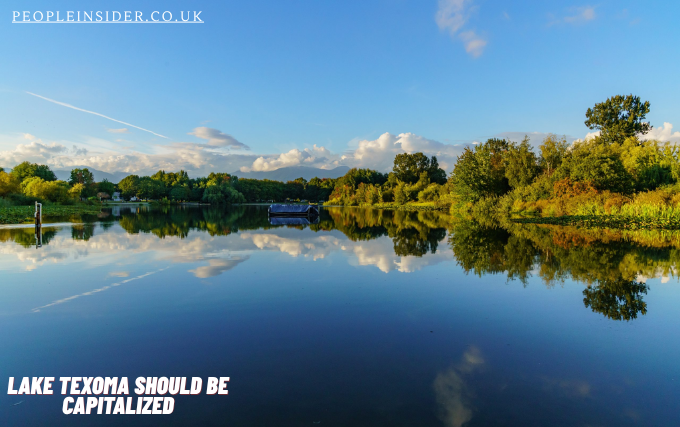
Lake Texoma is a large reservoir located on the border between Texas and Oklahoma in the United States. It is one of the largest reservoirs in the U.S. and a popular destination for fishing, boating, camping, and tourism.
Because it is a proper geographic name, it follows standard English capitalization rules for places. That means:
- “Lake” is capitalized
- “Texoma” is capitalized
- The full name is written as Lake Texoma
Writing it as “lake texoma” or “Lake texoma” is grammatically incorrect in formal writing.
Why “Lake Texoma Should Be Capitalized”
The phrase “lake texoma should be capitalized” is often used in SEO contexts or grammar discussions, but the reasoning is rooted in language structure.
1. It Is a Proper Noun
In English grammar, proper nouns refer to specific names of people, places, or organizations. Proper nouns are always capitalized.
Examples:
- Lake Texoma
- Lake Michigan
- Mount Everest
- New York City
Since Lake Texoma is a specific geographic location, it is classified as a proper noun.
2. “Lake” Is Part of the Official Name
A common mistake is thinking “lake” is just a generic descriptor. However, in names like Lake Texoma, “Lake” is part of the official title.
Compare:
- Correct: Lake Texoma
- Incorrect: lake texoma
- Incorrect: Lake texoma
This is similar to:
- Lake Tahoe
- Lake Superior
The word “Lake” is not optional; it is part of the formal naming structure.
3. Capitalization Improves Readability
Capitalization is not just a grammar rule—it improves readability. When users scan text, capitalized proper nouns help them quickly identify important terms.
For example:
- “We visited lake texoma last summer.” (confusing, unprofessional)
- “We visited Lake Texoma last summer.” (clear and correct)
Proper capitalization helps readers distinguish between general lakes and a specific destination.
The Role of Capitalization in SEO
In the digital world, capitalization also plays a subtle but important role in search engine optimization.
1. Search Engines Understand Entities
Search engines recognize named entities such as places, brands, and landmarks. Writing “Lake Texoma” consistently helps search engines correctly index the content.
If written inconsistently (lake texoma / Lake texoma), it may:
- Reduce content clarity
- Weaken keyword association
- Appear less authoritative
2. Branding and Professionalism
Even if capitalization does not drastically change rankings, it affects how users perceive content.
Proper capitalization signals:
- Authority
- Attention to detail
- Trustworthiness
For travel blogs, tourism websites, and informational articles, this is especially important.
3. Keyword Consistency Matters
SEO strategies often involve targeting keywords like:
- Lake Texoma fishing
- Lake Texoma camping
- Lake Texoma resorts
Using correct capitalization ensures consistency across headings, metadata, and content structure.
Common Mistakes with “Lake Texoma”
Despite the clarity of grammar rules, errors are still common.
1. Lowercase Usage
Incorrect:
- lake texoma fishing guide
- visiting lake texoma
Correct:
- Lake Texoma fishing guide
- Visiting Lake Texoma
Lowercase usage is often seen in informal writing or rushed content creation.
2. Inconsistent Capitalization
Another frequent issue is inconsistent formatting within the same article:
Example:
- “Lake Texoma is beautiful. Many people visit lake Texoma for fishing.”
This inconsistency reduces professionalism and may confuse readers.
3. Over-Capitalization
While “Lake Texoma” must be capitalized, unnecessary capitalization should be avoided:
Incorrect:
- Lake Texoma Fishing And Camping Experience
Correct:
- Lake Texoma fishing and camping experience
Only proper nouns should be capitalized.
Why Proper Naming Matters in Geography
Geographic names follow strict conventions worldwide. These conventions ensure consistency in maps, documents, and digital systems.
1. Standardization Across Platforms
Whether on Google Maps, travel websites, or government documents, “Lake Texoma” is always capitalized to maintain uniformity.
2. Navigation and Data Accuracy
Search engines and GPS systems rely on standardized naming to deliver accurate results. A small error in capitalization can lead to inconsistent indexing.
3. Educational and Academic Standards
In academic writing, geography names must always follow proper noun rules. “Lake Texoma” would be marked incorrect if written in lowercase in formal essays.
Lake Texoma in Travel and Tourism
Lake Texoma is a major tourism hub, attracting millions of visitors annually. It is known for:
- Striped bass fishing
- House boating
- Camping grounds
- Scenic shoreline views
- Water sports activities
Because it is a well-known destination, correct naming is essential in travel guides, blogs, and promotional material.
When travel writers use incorrect capitalization, it can reduce credibility and make content appear less professional.
How Capitalization Impacts User Trust
In digital content, small grammatical details influence user trust more than many writers realize.
1. First Impressions Matter
When users see properly formatted names like “Lake Texoma,” they subconsciously associate the content with quality and reliability.
2. Authority in Niche Topics
In travel, geography, and outdoor recreation niches, proper naming strengthens authority. Readers are more likely to trust guides that demonstrate attention to detail.
3. Engagement and Retention
Well-written content encourages users to stay longer on a page. Poor grammar or inconsistent capitalization can increase bounce rates.
Writing Best Practices for “Lake Texoma”
To maintain professionalism in content writing, follow these guidelines:
1. Always Capitalize Properly
Use:
- Lake Texoma
Avoid:
- lake texoma
- Lake texoma
2. Use Consistent Formatting
Ensure all references in a document follow the same capitalization style.
3. Include Contextual Keywords Properly
When writing SEO content, integrate variations like:
- Lake Texoma fishing guide
- Lake Texoma camping spots
- Lake Texoma travel tips
But always keep the proper noun capitalized.
4. Avoid Keyword Stuffing
Repetition of phrases like “lake texoma should be capitalized” should be natural and contextual, not forced.
The Linguistic Logic Behind Capitalization
English capitalization rules are based on clarity and classification.
Proper nouns:
- Identify unique entities
- Are always capitalized
Common nouns:
- Refer to general categories
- Are not capitalized unless at sentence start
Since Lake Texoma refers to a specific geographic entity, it falls into the proper noun category.
Why People Search “Lake Texoma Should Be Capitalized”
There are a few reasons this phrase appears frequently online:
- Writers checking grammar rules
- SEO beginners learning keyword formatting
- Students verifying capitalization rules
- Content editors ensuring consistency
It reflects a broader interest in correct writing practices and digital professionalism.
Conclusion
The answer to the question “lake texoma should be capitalized” is clear: yes, it should always be written as Lake Texoma.
This is not just a grammatical preference but a standard rule based on proper noun usage, readability, SEO performance, and professional writing conventions.
Whether you are a student, blogger, or SEO specialist, understanding and applying correct capitalization improves the quality, authority, and clarity of your content.
In the digital world where small details matter, writing Lake Texoma correctly is a simple but powerful way to communicate accuracy and professionalism.