
There is something magical about music starting, a room full of energy, and people moving together without worrying about being perfect. Dance has always been more than simple movement. It is a way to express emotions, connect with others, and create unforgettable memories.
For many people, Come Dancing represents the joy of stepping onto the dance floor and discovering a new passion. Whether you are a complete beginner, someone returning to dance after years away, or simply curious about why dancing remains so popular, there is always something new to learn.


Dance can bring confidence, improve physical health, and create a strong sense of community. However, many people hesitate before taking their first step because they believe they need natural talent or professional training. The truth is that anyone can enjoy dancing with the right attitude, patience, and willingness to learn.
This guide explores everything you need to know about Come Dancing, including its meaning, benefits, popular styles, beginner advice, and why dance continues to inspire people around the world.
What Is Come Dancing?
At its heart, Come Dancing is about celebrating the art of dance and encouraging people to enjoy movement through music. The phrase captures the invitation to participate, have fun, and experience the excitement of dancing.
For some people, Come Dancing reminds them of traditional ballroom and social dancing, while others connect it with modern dance competitions and entertainment programs. Regardless of the style, the main idea remains the same: dance brings people together.
Dancing is not only about learning steps. It is about rhythm, confidence, creativity, and connection. A person does not need to perform on a stage to experience the benefits. Dancing in a living room, joining a local class, or attending a social event can all create the same feeling of enjoyment.
The History and Evolution of Dance Culture
Dance has existed for thousands of years across different cultures. Ancient communities used dance for celebrations, storytelling, ceremonies, and social gatherings. Over time, dance developed into many different forms, each with its own traditions and techniques.
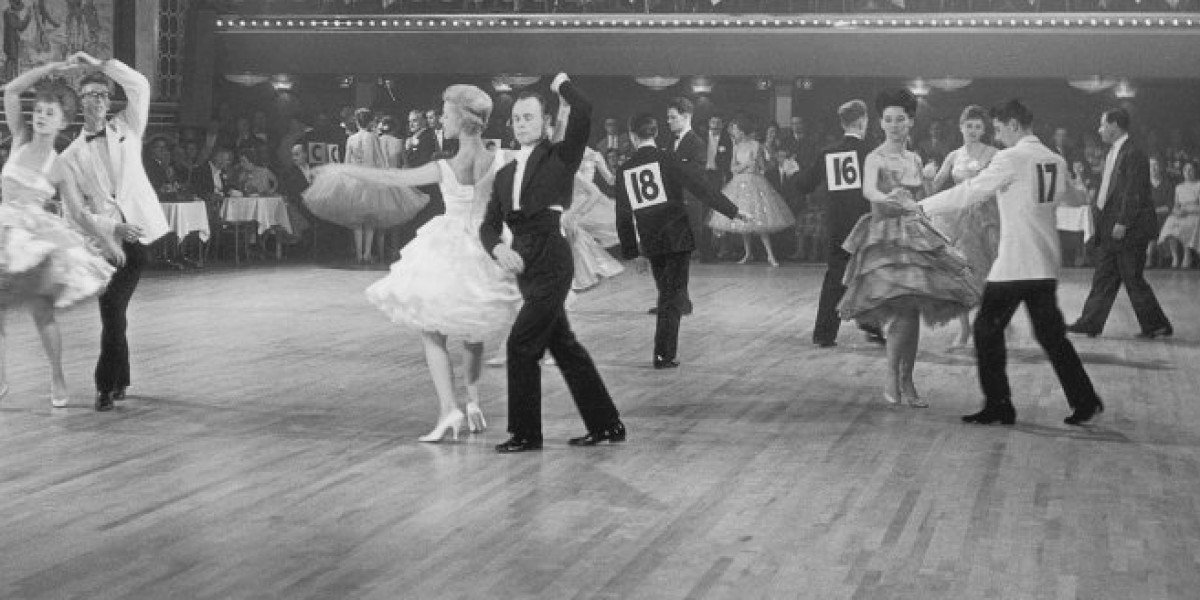
Traditional ballroom dancing became especially popular because it combined elegance, partnership, and musical interpretation. Styles such as the waltz, tango, and foxtrot created a structured way for people to enjoy dancing together.
In modern times, dance has evolved even further. Television shows, online tutorials, and social media platforms have introduced millions of people to new styles. As a result, Come Dancing has become associated with both classic elegance and modern creativity.
Today, people from all backgrounds participate in dance. Age, experience, and fitness level are no longer barriers. Dance has become a worldwide activity that celebrates individuality and self-expression.
Why Come Dancing Is Popular Among All Ages
One reason Come Dancing continues to attract attention is that it offers something for everyone. Unlike many activities that focus only on competition or physical ability, dance combines exercise, entertainment, and social connection.
Here are some reasons why people choose to dance:
- It improves physical fitness while feeling enjoyable.
- It helps people build confidence.
- It creates opportunities to meet new friends.
- It reduces stress through music and movement.
- It encourages creativity and personal expression.
- It provides a fun challenge for the mind and body.
Moreover, dancing can become a lifelong hobby. A child learning basic steps, an adult joining a social class, or an older person enjoying gentle movement can all experience the positive effects of dance.
Health Benefits of Come Dancing
Many people think of dance as entertainment, but it also provides impressive health benefits. Regular dancing supports both physical and mental well-being.
Physical Fitness Benefits
Dance is a full-body activity that can improve strength, flexibility, balance, and endurance. Depending on the style, it can provide a workout similar to other forms of exercise.
Some physical benefits include:
| Benefit | How Dance Helps |
|---|---|
| Better fitness | Continuous movement increases stamina |
| Improved balance | Dance steps encourage body control |
| Stronger muscles | Many styles use controlled movements |
| Greater flexibility | Stretching and movement improve mobility |
| Heart health support | Active dancing raises the heart rate |
Unlike traditional workouts that may feel repetitive, dancing often feels like entertainment. This makes it easier for people to stay motivated and continue practicing.
Mental and Emotional Benefits
Dance is also powerful for emotional health. Music and movement can help people release tension and improve their mood.
Many dancers describe feeling happier and more relaxed after a session. This happens because dance encourages focus on the present moment. Instead of worrying about daily problems, dancers concentrate on rhythm, movement, and connection.
Furthermore, learning new steps can improve memory and concentration. The brain must remember patterns, timing, and coordination, making dance a rewarding mental exercise.
Popular Dance Styles You Can Explore
One of the best things about Come Dancing is the variety of styles available. Every dance form has its own personality, rhythm, and history.
Ballroom Dancing
Ballroom dancing remains one of the most recognized styles. It focuses on partnership, posture, and smooth movement.
Popular ballroom styles include:
- Waltz
- Tango
- Foxtrot
- Quickstep
- Viennese Waltz
These dances are often admired for their elegance and connection between partners.
Latin Dancing
Latin dance styles bring energy, passion, and exciting rhythms. They are popular because they encourage confidence and expressive movement.
Examples include:
- Salsa
- Cha-cha
- Rumba
- Samba
- Jive
Latin dancing can feel lively and playful, making it a favorite choice for social events.
Contemporary and Modern Dance
Modern dance allows more freedom and creativity. Unlike structured ballroom styles, contemporary dance often focuses on personal expression and storytelling.
It encourages dancers to explore emotions, imagination, and unique movement patterns.
How Beginners Can Start Their Dance Journey
Starting something new can feel intimidating, but dance is a skill that improves through practice. Nobody begins as an expert.
If you are interested in Come Dancing, these beginner tips can help you feel more comfortable:
Start With Simple Steps
Do not try to master complicated routines immediately. Begin with basic movements and focus on rhythm. Strong foundations make advanced techniques easier later.
Practice Regularly
Consistency matters more than perfection. Practicing for a short time several times a week can create better results than occasional long sessions.
Listen to Music Often
Understanding rhythm is a major part of dancing. Spend time listening to different types of music and noticing the beat.
Avoid Comparing Yourself to Others
Every dancer has a different journey. Some people learn quickly, while others need more time. Progress comes from patience and enjoyment.
Learn From Experienced Teachers
A good instructor can provide guidance, correct mistakes, and help you develop confidence. Professional support can make learning smoother and more enjoyable.
Common Mistakes New Dancers Make
Every beginner makes mistakes, and that is completely normal. However, knowing common challenges can help you improve faster.
Trying to Be Perfect Immediately
Many new dancers become frustrated because they expect instant results. Dance requires coordination, memory, and practice.
Ignoring Musicality
Steps matter, but dancing is also about feeling the music. Great dancers do not simply move; they connect with the rhythm.
Being Afraid of Mistakes
Mistakes are part of learning. Even experienced dancers continue improving by trying new things and accepting challenges.
How Dance Builds Confidence and Social Connections
One of the most meaningful parts of Come Dancing is the confidence it can create. Standing in front of others, learning routines, and performing movements can help people overcome self-doubt.
Dance classes often become welcoming communities where people support each other. Many friendships begin because of a shared interest in music and movement.
In addition, partner dancing teaches communication. Dancers learn to cooperate, trust each other, and respond to subtle signals. These skills can improve social confidence both inside and outside the dance environment.
The Role of Music in Dance
Music and dance have always been connected. A dancer interprets the emotion, speed, and character of a song through movement.
A slow melody may inspire graceful and gentle movements, while an energetic rhythm may encourage powerful and exciting steps.
This connection between music and movement is what makes Come Dancing such an engaging experience. The same song can create different performances depending on the dancer’s personality and creativity.
Why People Should Give Come Dancing a Try
Many people spend years thinking about learning to dance but never take the first step. They may worry about ability, age, or what others will think.
However, dance is not reserved for professionals. It is an activity designed for enjoyment. The first few sessions may feel unfamiliar, but confidence grows quickly with practice.
Trying Come Dancing can open the door to:
- A healthier lifestyle
- New friendships
- Greater confidence
- Creative expression
- A fun and rewarding hobby
The most important thing is to enjoy the journey rather than focus only on the final result.
Tips for Making Dance a Long-Term Passion
If you want dancing to become part of your lifestyle, consider these simple habits:
- Choose a style that genuinely interests you.
- Set realistic goals.
- Celebrate small improvements.
- Dance with different people when possible.
- Keep learning and exploring new styles.
Moreover, remember that enjoyment is the foundation of long-term success. People continue dancing because it brings happiness, not because they are chasing perfection.
Conclusion: Take Your First Step Into the World of Dance
Come Dancing is much more than learning a collection of steps. It is about confidence, creativity, connection, and discovering the joy of movement. Whether you want to improve your fitness, meet new people, or simply enjoy music in a new way, dance offers countless opportunities.
Everyone starts somewhere. The first step may feel uncertain, but each practice session brings improvement and a stronger connection with the music.
If you have ever wanted to try dancing, now is the perfect time to begin. Explore different styles, enjoy the process, and discover what dance can add to your life. Share your thoughts, experiences, or favorite dance styles in the comments and inspire others to start their own journey.