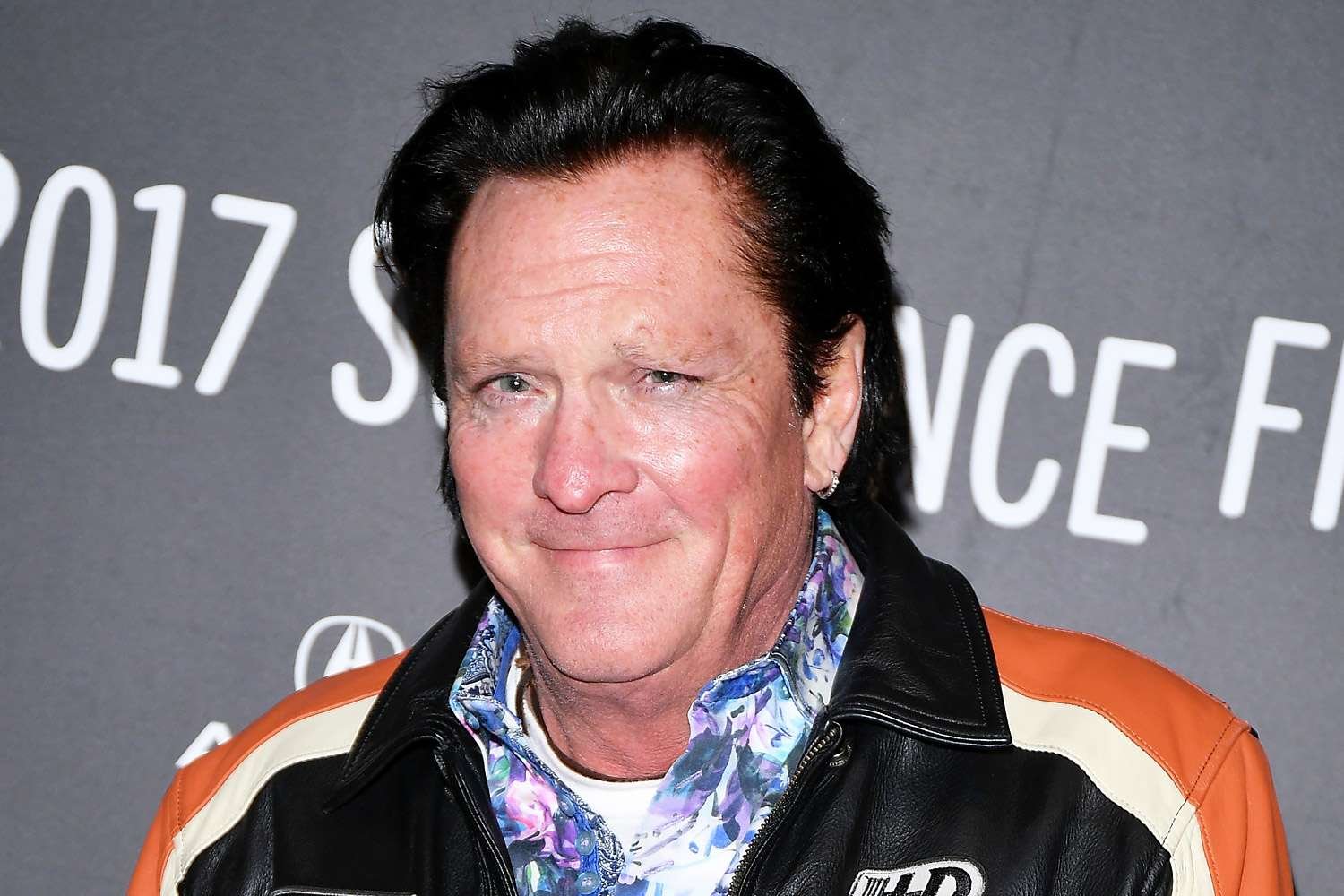

Some actors don’t just play roles—they leave behind a feeling, a presence that lingers long after the credits roll. Michael Madsen is one of those rare names in Hollywood. Whether you remember him as the cold, unpredictable Mr. Blonde in Reservoir Dogs or as a tough, world-weary character in countless other films, his screen energy is impossible to ignore.
The story of Michael Madsen is not just about fame or film credits. It’s about consistency, raw talent, and a unique ability to bring intensity to even the simplest scenes. Over the years, Michael Madsen has built a reputation as one of Hollywood’s most recognizable character actors, especially in crime dramas and independent cinema.


In this article, we’ll explore Michael Madsen career, films, and legacy, breaking down how he became such a lasting figure in the film industry and why his work continues to influence modern cinema.
Early Life and Background of Michael Madsen
Before Hollywood fame, Michael Madsen had a relatively grounded upbringing. Born in Chicago, he grew up in a working-class family where creativity wasn’t always the expected path. Interestingly, acting wasn’t his first destination—like many actors, it found him over time.
During his early years, Michael Madsen explored different jobs and interests before fully committing to acting. That real-world experience later shaped the authenticity he brings to his characters. You can often sense that his performances are not overly polished but instead feel lived-in and raw.
Unlike many Hollywood stars who are trained in elite acting schools from the start, Michael Madsen career developed through experience, persistence, and a willingness to take on unconventional roles.
Breakthrough in Hollywood
The real turning point in Michael Madsen career came in the early 1990s. This was when independent cinema was beginning to reshape Hollywood, and directors were looking for fresh faces with strong screen presence.
Quentin Tarantino Collaboration
One of the most defining moments in Michael Madsen career was his collaboration with Quentin Tarantino. His role as Mr. Blonde in Reservoir Dogs (1992) became iconic almost instantly.
That single performance changed everything. The scene where he performs a brutal act while dancing casually to music is still discussed in film studies today. It showed how Michael Madsen could combine charm, unpredictability, and menace in a single moment.
After that, Tarantino continued to cast him in other projects, including Kill Bill: Vol. 2 and The Hateful Eight. These roles helped solidify Michael Madsen career as part of modern cult cinema history.
Iconic Film Roles of Michael Madsen
When people talk about Michael Madsen films, they often think of crime dramas, action-heavy roles, and morally complex characters. His filmography is extensive, but certain performances stand out.
Notable Films
Here are some of the most recognized Michael Madsen films:
- Reservoir Dogs (1992) – Mr. Blonde
- Donnie Brasco (1997) – Sonny Black’s crew member
- Kill Bill: Vol. 2 (2004) – Budd
- Sin City (2005) – Bob
- The Hateful Eight (2015) – Joe Gage
Each of these roles shows a different side of Michael Madsen career, from violent unpredictability to quiet emotional depth.
What makes these performances stand out is not just dialogue or screen time, but presence. Even when Michael Madsen is not the lead, he often becomes the most memorable character in the scene.
Acting Style and Screen Presence
The acting style of Michael Madsen is difficult to categorize in traditional terms. He doesn’t rely heavily on exaggerated expressions or theatrical delivery. Instead, his strength lies in restraint.
Key Traits of His Acting Style
- Low, calm voice with controlled emotion
- Sudden bursts of intensity
- Strong physical presence
- Ability to dominate a scene without excessive dialogue
- Natural “tough guy” aura
These traits have made Michael Madsen career especially successful in crime thrillers and neo-noir films.
Directors often use him as a character who can shift the tone of a scene instantly. One moment he feels relaxed and almost charming; the next, he becomes unpredictable and intense.
This duality is what defines Michael Madsen films and keeps audiences engaged.
Michael Madsen Career Timeline Highlights
To understand the progression of Michael Madsen career, it helps to look at key phases:
1980s – Early Roles
- Small TV appearances
- Minor film roles
- Building experience in Hollywood system
1990s – Breakthrough Era
- Reservoir Dogs success
- Rise as cult film actor
- Regular roles in crime and action films
2000s – Established Actor
- Kill Bill resurgence
- Work in indie films and mainstream projects
- Expansion into voice acting
2010s–Present – Legacy Phase
- Continued collaborations with major directors
- Appearances in independent cinema
- Recognition as a Hollywood veteran
Throughout all these phases, Michael Madsen career has remained steady, even if not always in the mainstream spotlight.
Michael Madsen Filmography Highlights Table
Below is a quick overview of key details from Michael Madsen career:
| Category | Details |
|---|---|
| Full Name | Michael Søren Madsen |
| Date of Birth | September 25, 1957 |
| Age | 68 (as of 2026) |
| Profession | Actor, Producer, Poet |
| Nationality | American |
| Net Worth (approx.) | $2–5 million |
| Notable Works | Reservoir Dogs, Kill Bill: Vol. 2, Sin City, Donnie Brasco |
This table reflects the long-standing impact of Michael Madsen career across multiple decades of film and television.
Personal Life and Public Image
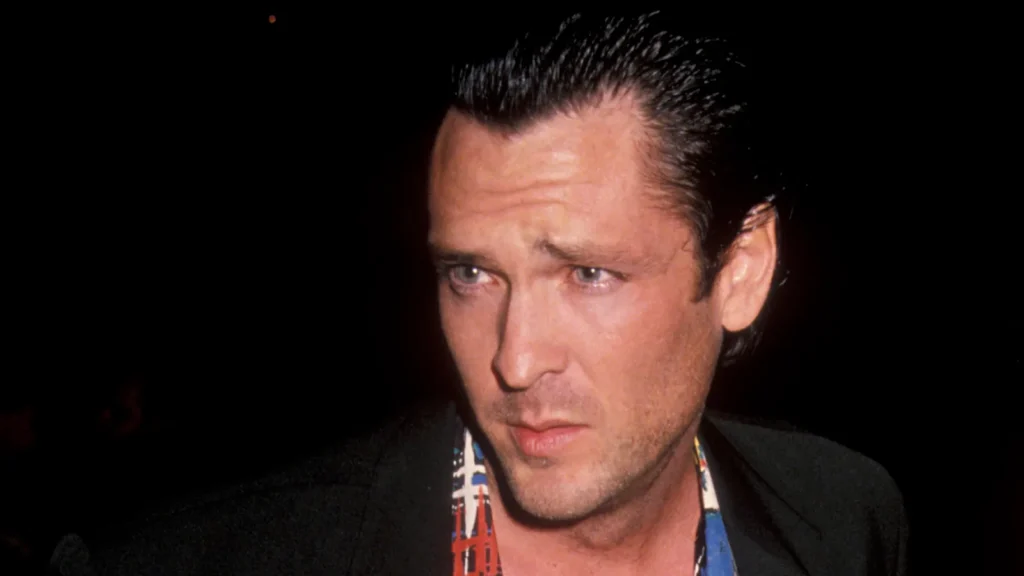
Outside of acting, Michael Madsen has lived a life that reflects both creativity and complexity. He is also known for his poetry, which often mirrors the emotional depth seen in his film roles.
Despite being associated with tough characters, those who follow Michael Madsen career closely know he has a reflective and artistic side. His poetry collections reveal a softer, more introspective personality that contrasts with his on-screen image.
Public perception of Michael Madsen has always been shaped by his film roles, but fans often appreciate the contrast between the actor and the characters he plays.
Legacy of Michael Madsen in Hollywood
When discussing Michael Madsen legacy, it is important to understand his influence on modern cinema.
He represents a type of actor that Hollywood increasingly relies on—character-driven performers who bring authenticity rather than glamour. Many modern crime films still borrow from the tone and style popularized by Michael Madsen films in the 1990s.
Why His Legacy Matters
- Helped define the modern anti-hero archetype
- Influenced independent cinema style
- Worked with legendary directors like Quentin Tarantino
- Built a career on character depth rather than celebrity image
Even today, Michael Madsen career is studied in film discussions for its consistency and cultural impact.
Why Michael Madsen Still Matters Today
In an industry that constantly shifts toward new faces and trends, Michael Madsen remains relevant because of authenticity. He never tried to reinvent himself for popularity. Instead, he stayed true to the type of roles he does best.
That consistency is rare in Hollywood. Many actors fade because they try to chase trends, but Michael Madsen career survived because it was built on identity rather than image.
You can still see his influence in modern crime dramas, where characters often echo the tone of Michael Madsen films—cool, controlled, and unpredictable.
Conclusion
The journey of Michael Madsen is a reminder that Hollywood success doesn’t always follow a straight path. From early struggles to iconic performances, Michael Madsen career reflects persistence, individuality, and raw talent.
His films continue to be watched, studied, and appreciated by new generations. Whether it’s Reservoir Dogs or Kill Bill, Michael Madsen films remain a key part of cinematic history.
Ultimately, Michael Madsen legacy is not just about the roles he played, but the energy he brought to them. It’s about the way he made even small moments feel powerful and unforgettable.
If there’s one thing clear from his journey, it’s this: Michael Madsen career is a lasting example of how character actors can shape Hollywood in ways that lead actors alone cannot.