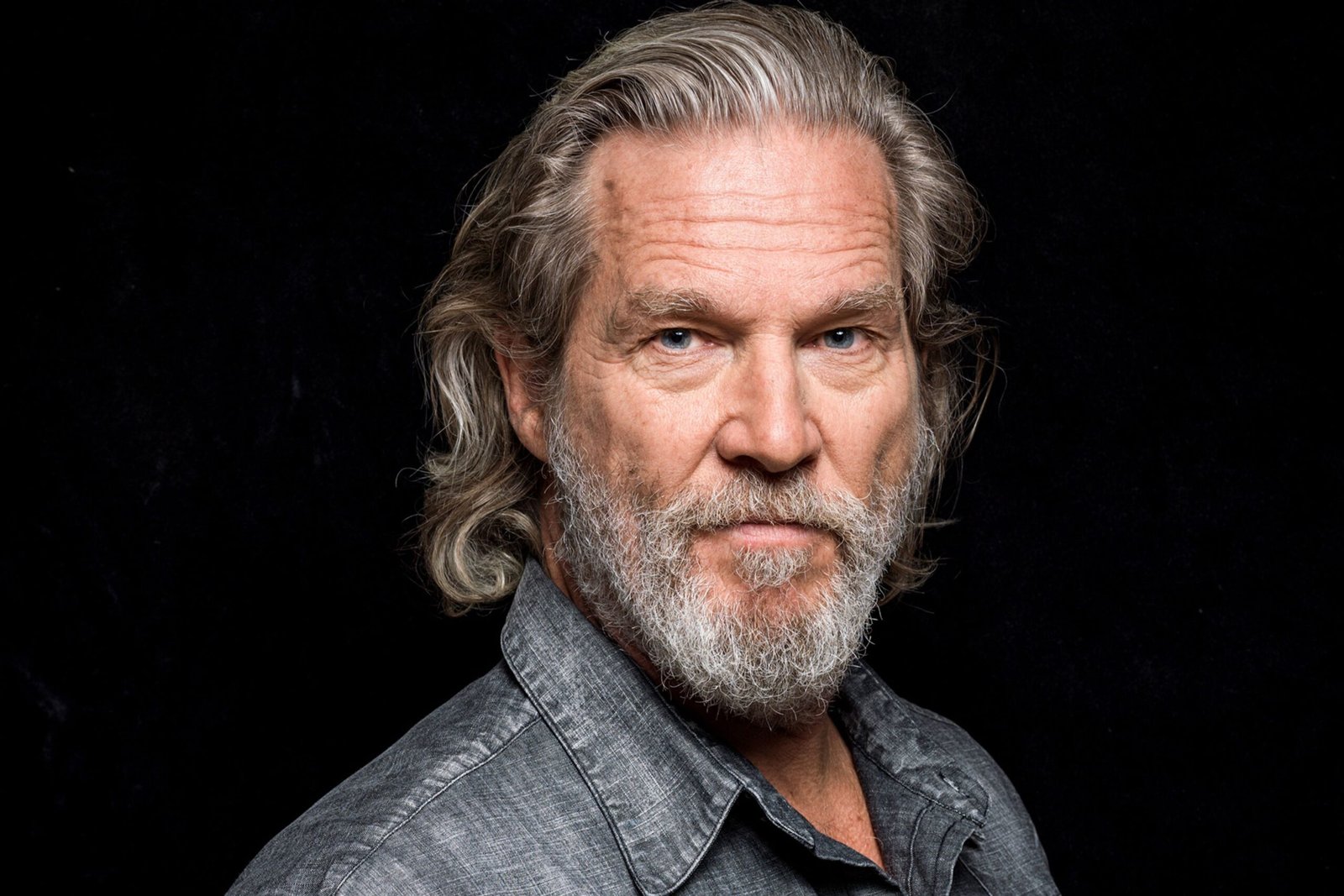

Some actors don’t just perform—they inhabit their roles so completely that it becomes hard to separate the person from the character. Jeff Bridges is one of those rare performers. Over the decades, Jeff Bridges has built a reputation for delivering performances that feel effortless yet deeply layered, often mixing subtle humor with emotional depth.
What makes Jeff Bridges so fascinating is not just his filmography, but the emotional honesty he brings to every role. Whether he’s playing a laid-back stoner philosopher or a broken country singer searching for redemption, there is always something authentic, something lived-in about his acting.


In this article, we’ll explore Jeff Bridges and his most powerful acting moments, breaking down the roles that shaped his legacy and continue to influence modern cinema.
Bio of Jeff Bridges
| Category | Details |
|---|---|
| Full Name | Jeffrey Leon Bridges |
| Date of Birth | December 4, 1949 |
| Age | 75 (as of 2026) |
| Profession | Actor, Producer, Musician |
| Nationality | American |
| Net Worth (approx.) | $80 million |
| Notable Works / Achievements | The Big Lebowski, Crazy Heart, True Grit, Starman, Academy Award Winner |
Early Life and the Beginning of a Hollywood Legacy
Before becoming one of the most respected figures in cinema, Jeff Bridges grew up surrounded by Hollywood influence. His father, Lloyd Bridges, was a well-known actor, which gave Jeff early exposure to film sets and storytelling.
However, Jeff Bridges did not simply rely on family connections. He worked his way up slowly, taking on smaller roles in television and film before making a name for himself. Even in his earliest performances, critics noticed his natural charisma and ability to make characters feel real rather than performed.
During this period, themes like coming-of-age storytelling, American cinema, method acting influence, and character-driven films shaped his foundation.
Breakthrough Roles That Defined Jeff Bridges
The Last Picture Show (1971)
One of the earliest breakthroughs for Jeff Bridges came with The Last Picture Show. His role as Duane Jackson showcased emotional vulnerability and quiet intensity. It was a performance that hinted at the greatness to come.
Key themes in this role:
- Small-town loneliness
- Youthful confusion
- Emotional repression
- 1970s American drama
Starman (1984)
In Starman, Jeff Bridges delivered a performance that was both strange and deeply human. Playing an alien learning what it means to be human, he earned an Academy Award nomination.
This film highlighted:
- Emotional transformation
- Human connection
- Science fiction storytelling
- Romantic drama elements
Jeff Bridges and His Most Powerful Acting Moments
Now we reach the heart of the discussion—Jeff Bridges and his most powerful acting moments across his legendary career.
The Big Lebowski (1998): The Birth of “The Dude”
If there is one role that permanently etched Jeff Bridges into pop culture, it is Jeffrey “The Dude” Lebowski.
This character became more than just a film role—it became a cultural philosophy.
Why this performance stands out:
- Effortless comedic timing
- Natural improvisation feel
- Deeply relaxed character portrayal
- Iconic dialogue delivery
The brilliance of Jeff Bridges in this film lies in how little it feels like acting. The Dude is calm, confused, and completely unbothered by chaos, creating one of cinema’s most beloved characters.
Related SEO concepts:
cult classic films, Coen Brothers movies, character acting, 90s cinema, dark comedy, stoner comedy, cinematic improvisation, iconic film characters
Crazy Heart (2009): A Career-Defining Performance
In Crazy Heart, Jeff Bridges delivered what many consider his most emotionally powerful role. As Bad Blake, a washed-up country singer struggling with addiction and regret, he gave a raw and heartbreaking performance.
Why it stands out:
- Deep emotional vulnerability
- Authentic musical performance
- Realistic portrayal of addiction
- Subtle yet powerful dialogue delivery
This role earned Jeff Bridges an Academy Award for Best Actor. It also showed his ability to carry a film almost entirely through emotional expression rather than dialogue-heavy scenes.
Supporting LSI themes:
country music films, addiction recovery, emotional drama, Oscar-winning performances, musical storytelling, redemption arcs, character decline, American road stories
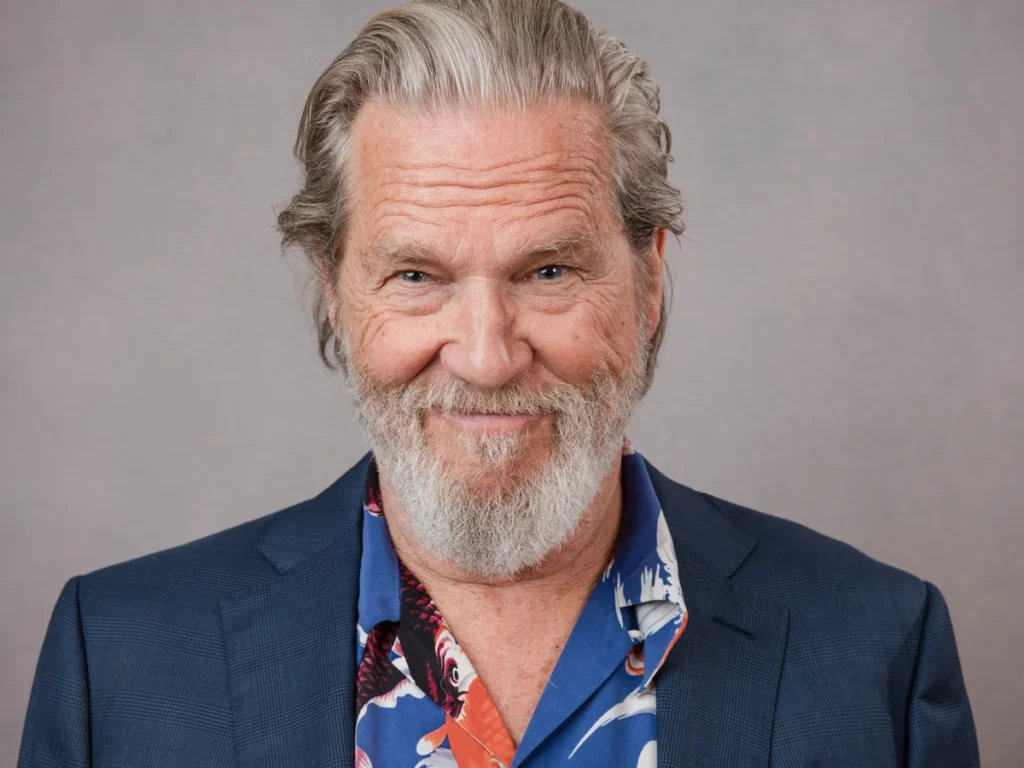
True Grit (2010): Commanding Presence as Rooster Cogburn
In True Grit, Jeff Bridges stepped into the boots of Rooster Cogburn, a hardened U.S. Marshal with a rough exterior and moral complexity.
What made this performance powerful:
- Distinctive voice and speech pattern
- Strong physical presence
- Balanced humor and grit
- Emotional depth beneath toughness
Unlike typical Western heroes, Jeff Bridges brought unpredictability and realism to the role. His performance added emotional weight to the film’s story of revenge and justice.
Iron Man (2008): A Surprising Villain Role
As Obadiah Stane in Iron Man, Jeff Bridges surprised audiences by stepping into the Marvel universe as a corporate antagonist.
Why it worked:
- Calm but intimidating villain presence
- Strong chemistry with Robert Downey Jr.
- Corporate power struggle theme
- Controlled emotional intensity
Even in a blockbuster environment, Jeff Bridges maintained his grounded acting style.
Relevant LSI keywords:
Marvel Cinematic Universe, superhero films, corporate villain, tech industry themes, blockbuster cinema, action movies, comic book adaptations
Starman (1984): Emotional Alien Humanity
Returning to Starman, this role deserves deeper attention. Jeff Bridges portrayed an alien learning humanity, which required an unusual mix of innocence and curiosity.
Highlights:
- Childlike emotional discovery
- Physical transformation performance
- Romantic emotional arc
- Philosophical undertones
This role showed that Jeff Bridges could move seamlessly between genres.
Acting Style of Jeff Bridges
What makes Jeff Bridges truly unique is his acting philosophy. He often blends method acting techniques with improvisational freedom, allowing scenes to breathe naturally.
Key Traits of His Acting Style
- Naturalistic dialogue delivery
- Subtle facial expressions
- Strong emotional undercurrents
- Deep character immersion
- Relaxed screen presence
Unlike highly theatrical performers, Jeff Bridges prefers understatement. This makes his performances feel real and grounded.
Legacy and Influence of Jeff Bridges
The legacy of Jeff Bridges goes far beyond awards and box office success. His influence can be seen in modern acting styles that prioritize authenticity over exaggeration.
Many younger actors cite Jeff Bridges as an inspiration for learning how to “live inside a character” rather than simply performing one.
His body of work demonstrates:
- Versatility across genres
- Emotional authenticity
- Long-term artistic consistency
- Cultural impact across generations
Whether in comedy, drama, or action, Jeff Bridges remains a symbol of effortless excellence in acting.
Conclusion
Looking back at Jeff Bridges and his most powerful acting moments, it becomes clear why he remains one of Hollywood’s most respected figures. From The Big Lebowski to Crazy Heart, his performances are not just memorable—they are emotionally lasting.
What sets Jeff Bridges apart is his ability to make every character feel human, no matter how strange or complex the role may be. His career is a masterclass in balance—between humor and seriousness, simplicity and depth, chaos and calm.
If you’ve followed his work over the years, you already know that Jeff Bridges doesn’t just act in films—he elevates them.